Which Water Softener Is Right for Me?

If you have hard water then you’ve no doubt noticed limescale in the home. While it’s not usually cause for any serious concern, it is unsightly and affects the efficiency of your appliances. Water Softeners have been the go-to solution for many years so if you’re wondering which solution is right for you then you’ve come to the right place!


When it comes to choosing a hard water treatment solution, there are a lot of factors to consider. From the size of your home to your budget and even your environmental goals, selecting the right product can be confusing. In this blog post, we’ll discuss the different types of hard water treatment solutions and what you should look for when making your decision.


So, what are the options?

Your hard water treatment options can be put into three categories: Water Softeners, Water Conditioners and Scale Inhibitors. They all work in different ways and with varying results, so it’s important you do your research before committing to any purchase.


As we mentioned before, Water Softeners (also known as Salt Softeners) are the traditional way of dealing with hard water. In comparison to other methods, they tend to be at the top end when it comes to expense, and they require regular salt top-ups for them to remain effective which adds to your ongoing costs. You can learn more about how Water Softeners work here.


A much lesser known solution is Water Conditioners. They come in a range of shapes and sizes which use different technologies. Because there is such a large range, pricing also varies, as does effectiveness. However, there are usually now ongoing maintenance costs associated with Water Conditioners which keeps the running cost low. You can find out more about Water Conditioners in this blog.

Last but not least, Scale Inhibitors are the third solution to hard water in the home. They are at the lower end of the scale when it comes to cost but they typically only protect one piece of equipment, not the entire home. For an overview of how Scale Inhibitors work, click here.


Factors to consider when choosing a hard water treatment solution


It’s important you thoroughly research the options before you commit to a hard water treatment solution. As we have already eluded to, there are three main types of solution which vary in cost, longevity and effectiveness. Here are some of the key points you should consider when researching the right solution for your home:


Type: As mentioned above, there are several types of water treatment solutions available on the market today. Consider which type best suits your needs before making your decisio

Cost: Different types of units come with different price tags so be sure to factor cost into your decision-making process.

Size: Scale Inhibitors are small devices which are fitted to each individual appliance, Water Conditioners are typically in-line devices that are plumed into your incoming water supply, while Water Softeners are usually much larger and may even require an entire cupboard to house them.

Maintenance: Some units require more maintenance than others so be sure to research how much maintenance each type requires before making your purchase.

Lifespan: The lifespan of hard water treatment options varies greatly, from just a few years up to 30+ years.

Environmental Goals: If you’re concerned about the environmental impact of your hard water solution, you may wish to avoid Water Softeners which use salt and expel briny effluent into the watercourse.

Conclusion

Choosing the right solution for your home can be tricky but with some research and consideration you can find one that meets all your needs and fits within your budget. Be sure to take into account size, type, cost and maintenance when making your decision so that you get the most out of your purchase.

To find out if the Halcyan Water Conditioner is right for you, call our expert team for free advice on 0345 504 0656.

Learn More
Does a Kettle with Limescale Use More Electricity?

It is no secret that limescale can have a negative impact on the performance of your kettle. But did you know that limescale can also increase your electricity bills? In this blog post, we will explore the effects of limescale on your kettle’s electricity usage and how to reduce it.


What is Limescale?

Limescale is a hard, chalky deposit that builds up inside kettles over time due to the presence of calcium and magnesium in hard water. This build-up of limescale can reduce the efficiency of your kettle and cause it to use more electricity than usual.


How Does Limescale Affect Electricity Usage?

When limescale builds up inside a kettle, it acts as an insulator, trapping heat and preventing it from transferring to the water. This means that more energy is required to heat the water, resulting in higher electricity bills. So, every cup of tea you make costs that little bit more which, over time, can make a big difference to your bills.


How Can You Reduce Limescale Build-Up?

Fortunately, there are several steps you can take to reduce limescale build-up in your kettle and keep your electricity bills as low as possible:

Use bottled water: Using filtered or bottled water instead of tap water will help reduce limescale build-up as these types of water contain fewer minerals than tap water.


Boil only what you need: Boiling more water than necessary wastes energy and increases electricity bills unnecessarily – so only boil as much as you need!


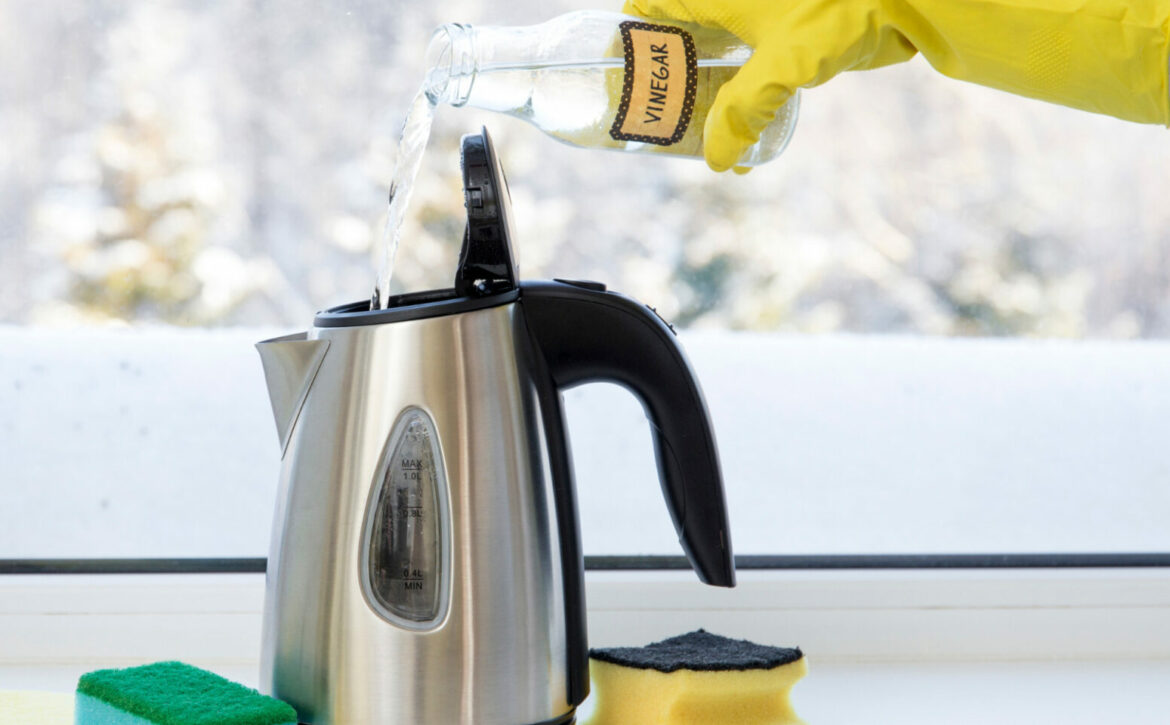
Clean regularly: Regularly cleaning your kettle with vinegar or citric acid will help remove any existing limescale deposits and prevent new ones from forming.


Use de-scaler: If you find that regular cleaning isn’t enough to remove all the limescale from your kettle, then you may want to consider using a de-scaler product specifically designed for kettles. These products are usually effective at removing stubborn deposits of limescale.


Banish limescale for good: Installing a water softener or water conditioner reduces limescale build-up in the home so your limescale issues become a thing of the past. Not sure which type of solution is right for you? Read our guide and discover the key differences between water conditioners and water softeners here.


Conclusion

Limescale build-up in kettles can have a significant impact on electricity usage – but there are steps you can take to reduce it and keep your bills as low as possible. Using the tips we have covered, you should be able to keep your electricity costs down without sacrificing convenience!


Want to know more about the Halcyan Water Conditioner? Find out how it works here or call our expert team on 0345 504 0656.

Learn More

The heating element of the washing machine close-up. The cause o

Can You Get Rid of Limescale Permanently?

Limescale is a common problem that can be found in many homes. This chalky white deposit that forms on surfaces due to hard water can be difficult to remove. If you’re looking for a way to get rid of limescale permanently, then you’ve come to the right place! In this blog post, we’ll discuss the best methods for removing limescale and preventing it from coming back.

What is Limescale?

Hard water contains high levels of calcium and magnesium, which create a mineral residue that sticks to surfaces and can be difficult to remove. Limescale can form on sinks, taps, showers, toilets, and other surfaces in your home, as well as on heating elements, for example in your kettle.

How to Remove Limescale

The first step in getting rid of limescale is to remove as much of it as possible from the surface. This can often be done by using a scrubbing brush or an abrasive cleaner such as vinegar or baking soda and a bit of elbow grease. For tougher deposits, you may need to use a chemical cleaner such as Viakal. 

Preventing Future Build-up

Once you’ve removed the existing limescale from your home, it’s important to take steps to prevent future build-up. The best way to do this is by installing a water softener or water conditioner in your home. The two solutions work in very different ways. You can read more about the differences in our blog post on the topic here.

While water softeners are the traditional limescale-prevention method, they use salts and expel briny effluent into the watercourse. So, if you’re looking for a sustainable, eco-friendly solution then a water conditioner may be a better solution for your needs.


Why choose Halcyan?

The Halcyan Water Conditioner is a 100% passive solution to the problem of limescale in the home and is entirely salt and maintenance free. With a 30 year warranty, it’s the only solution you’ll ever need. 

You can find out more about how the Halcyan Water Conditioner works here, or to find out what our customers have to say about our products, visit our testimonials page.


Learn More

Details,Closeup,Shot,Of,Electric,Heater,From,Washing,Machine

Why Does Limescale Reduce Appliance Efficiency?

Limescale is a common problem in many households and affects around 60% of the UK. It can cause a variety of problems, from damaged fixtures and fittings to the premature breakdown of expensive appliances. But why does limescale reduce efficiency? In this blog post, we’ll explore the causes and effects of limescale on appliance efficiency.

What is Limescale?

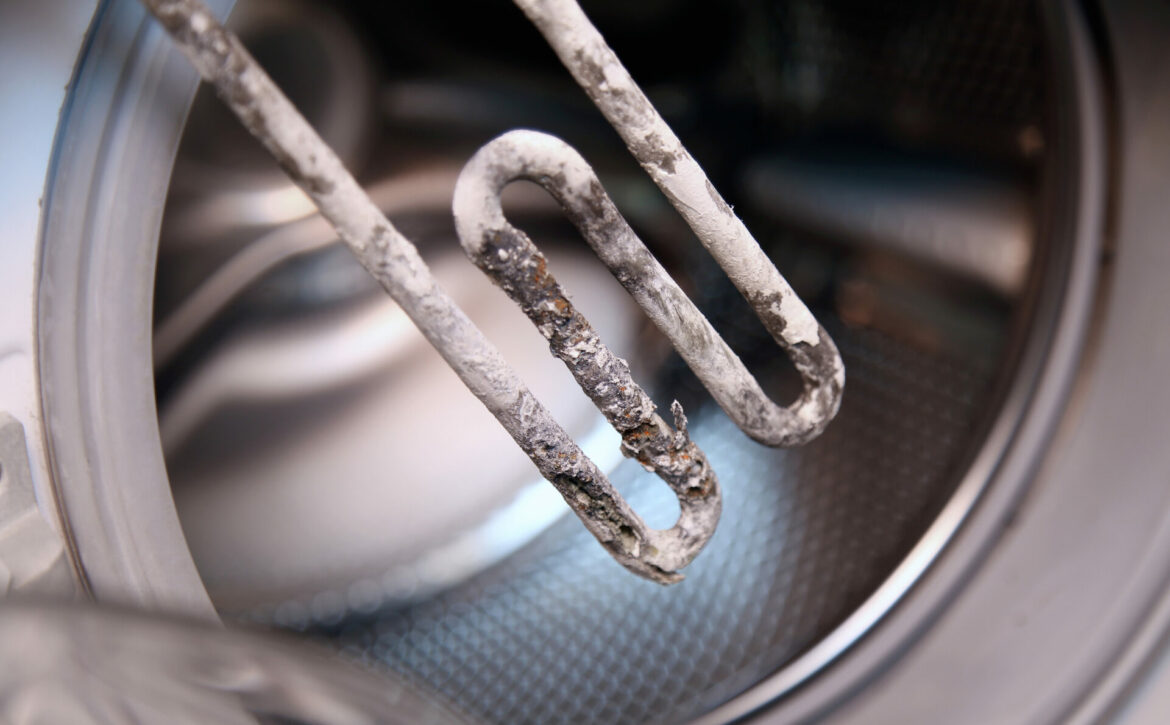
Limescale is a hard, chalky deposit that forms when calcium and magnesium precipitate out of hard water and bond to surfaces. It often appears as a white or grayish-white coating on surfaces such as taps, showerheads, pipes and on the heating element of your kettle. Over time, limescale can build up and become difficult to clean, and the longer it’s left the harder it is to remove.


heating element damaged by limescale


How Does Limescale Reduce Efficiency?

Limescale reduces efficiency in two main ways: by blocking water flow and by reducing heat transfer. 

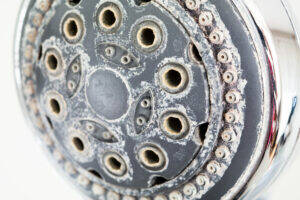
When limescale builds up inside pipes or appliances it restricts the flow of water. If you’ve ever had a shower head clogged with limescale, you’ll know how frustrating this can be and how often you have to clean it to maintain the optimum flow of water.


shower head blocked by limescale


Limescale also reduces the flow of heat which means it takes a lot more energy to heat the water surrounding a heating element which is covered in limescale. This reduces the energy efficiency of water-heating appliances such as washing machines, dishwashers, and boilers, and energy bills are significantly higher as a result.

Limescale also reduces the lifespan of water-bearing appliances by causing corrosion and additional wear on internal components, so you can expect to replace your expensive household items up to twice as often.


How Can You Prevent Limescale Build-Up?

The best way to prevent limescale build-up is to treat hard water as it enters your home. There are various hard water treatment products on the market, from salt softeners to water conditioners.  They help keep your appliances running more efficiently and for longer without needing expensive repairs or replacements due to limescale damage.

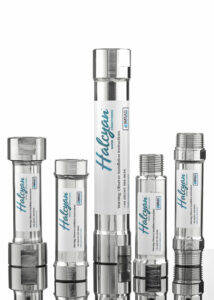
Halcyan Water Conditioners Domestic


While salt softeners are a traditional solution to the problem of limescale, they require ongoing maintenance and regular topping up of salt. If you’re looking for a passive, sustainable and eco-friendly means of treating your hard water, a water conditioner such as the Halcyan is a good choice. You can read more about your options in our no-nonsense guide to water conditioners and water softeners here.


Conclusion

Limescale can be a major problem for households which are supplied with hard water. Not only does it cause unsightly deposits on surfaces, but it can also reduce the efficiency of appliances over time due to blocked water flow and reduced heat transfer capabilities, leading to higher energy bills and  premature appliance failure. The most sustainable way to prevent this issue is to install a water conditioner in your home.

Why not take a look at our testimonials and discover why Halcyan is THE solution for sustainable hard water treatment in the home.

Learn More

We’re in the London Daily News!

London Daily News have published another fantastic article walking through the ways limescale builds up in different areas and how this affects your energy and repair costs.

Learn More

Exciting News! Halcyan Are At Energy Saving Answers, By Low Carbon Homes

Low Carbon Homes are showcasing several amazing and innovative technologies used to increase energy efficiency and Halcyan are one of them!

Learn More

Come see us at the NSBRC Eco Workshop!

Samantha cordially invites you to join her at the eco workshop event on Saturday the 12th this week! She will be giving a talk on how Halcyan can help make new builds more energy efficient and sustainable. The talk runs from 12:30am – 12:55 am in the New Build Theatre at the NSBRC in Swindon.

Learn More

COP27: What is COP and why does it matter?

Once again world leaders and organisations will be gathering to take stock and look ahead at how to deal with the climate emergency. This year the event will be held in Egypt. If you aren’t familiar with COP allow us to give a quick run-down on why it is important. The Event will be running from the 6th to the 18th of November.

Learn More

Emptying,Household,Septic,Tank.,Cleaning,Sludge,From,Septic,System.

Can you soften water if you have a septic tank?

If you’re living in a rural area a septic tank is often a must have. But what if, like many in the UK you suffer from hard water? Do the usual treatment methods work or are you doomed to have limescale for the rest of your days? In this article we’ll answer this question and hopefully help you to find a solution to your limescale woes without putting your septic tank at risk.

Learn More

Halcyan and Metro Plumb – a winning combo!

We’re delighted to highlight our exciting partnership with Metro Plumb, who provide plumbing services nation wide and are Halcyan approved installers!

Learn More

Select your currency
EUR Euro