A water conditioner is a device fitted to your water pipe that stops hard water minerals sticking as limescale. Unlike a water softener, it doesn’t take the calcium and magnesium out of your water. It changes how they behave, so they pass through your pipes, boiler and appliances instead of building up as scale.
We’re Halcyan, a Bristol company that makes salt-free Halcyan water conditioners, so we’ll explain where ours fits. Most of this guide applies to any brand, though. It covers how conditioners work, the main types sold in the UK, the downsides, and how to tell if you need one.
What does a water conditioner do?
Hard water picks up calcium and magnesium as it soaks through chalk and limestone. The Drinking Water Inspectorate says water with 200 mg/l of calcium carbonate or more will produce scale. Rinnai UK, which makes water heaters, says around 60% of UK mains water is classed as hard. You can check your area on our UK hard water map.
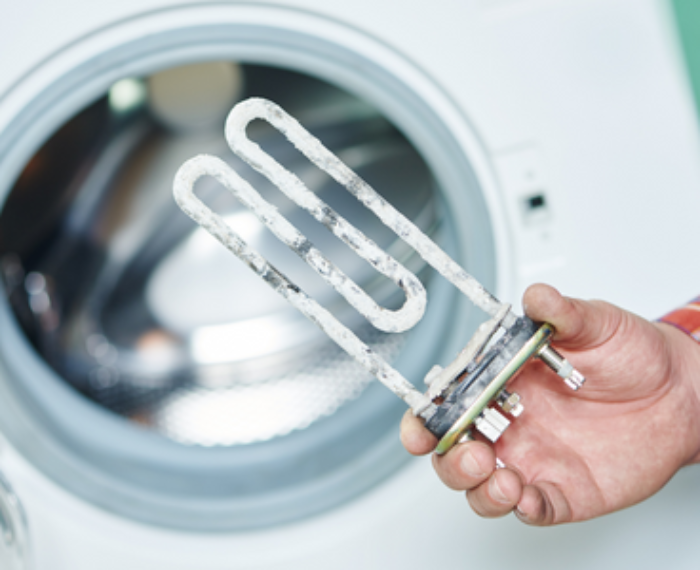
When hard water is heated, those minerals come out of the water and stick to the hottest surface they find. That’s the element in your kettle, the heat exchanger in your boiler and the element in an electric shower. The layer gets thicker every time the water heats up. Rinnai puts the cost at about 7% more energy for every 1 mm of scale on a heating surface.
A water conditioner treats the water as it flows past. The calcium and magnesium stay in, but in a form that doesn’t bond to surfaces. Most of it is simply carried away. Where water dries on a surface, it leaves a soft powder you can wipe off, instead of hard scale you have to scrub.
How does a water conditioner work? The main types
Every water conditioner aims to change how hardness minerals behave, but they go about it in different ways. Results vary a lot between types, and there’s no industry standard for measuring them, so it helps to know what you’re buying.
Alloy (catalytic) water conditioners
Water flows past a core made from a blend of metals. Contact with the alloy changes how the calcium carbonate forms crystals, so it stays in the water instead of sticking. There’s no power supply and nothing to replace. This is how a Halcyan works.
Sacrificial anode water conditioners
These use a metal anode, often zinc, that reacts with the water. The anode wears away as it works, so the unit needs replacing after a few years.
Electronic water conditioners
A coil wrapped around the pipe sends a signal into the water. It needs a power supply. The change to the minerals tends to wear off within one to three days, and the effect can be weaker at taps a long way from the unit.
Magnetic water conditioners
Magnets fitted on or inside the pipe create a field the water passes through. Results vary widely. Many cheap domestic magnetic units are really scale inhibitors for a single appliance rather than whole-house conditioners.
Template assisted crystallisation (TAC)
Water passes through a tank of polymer beads, where the minerals form tiny crystals that won’t stick. The beads need replacing every few years. TAC is more common in the US, and in the UK it’s often sold as a “salt-free water softener”, even though it doesn’t soften the water.
Is a scale inhibitor the same as a water conditioner?
No. A scale inhibitor is a small, cheap device that protects one appliance, usually a boiler. Builders often fit one to meet Building Regulations. An electrolytic inhibitor costs around £14 to £17 and typically lasts a year or two. A water conditioner is fitted on the incoming main and treats every tap and appliance in the house.
Water conditioner vs water softener
A water softener uses salt to remove calcium and magnesium and swaps them for sodium. The water feels silky, but a softener needs regular salt, uses water to regenerate and usually needs a separate tap for drinking water. A water conditioner leaves the minerals in, needs no salt, and every tap stays drinkable. We go through the differences in detail in our guide to water conditioners vs water softeners.
What are the benefits of a water conditioner?
The main one is less scale in the places where it costs you money. A boiler heat exchanger, an electric shower element or a washing machine heater runs as designed when it isn’t coated in scale, and it’s less likely to fail early.
Cleaning gets easier. You’ll still see a light white powder where water dries, but it wipes off with a cloth instead of needing descaler.
Nothing is added to your water and nothing is taken out, so you can drink from every tap and you keep the calcium and magnesium. Alloy units like Halcyan also need no salt and no electricity, and they produce no wastewater.
What are the disadvantages of a water conditioner?
A water conditioner isn’t the right fit for everyone. These are the trade-offs to know about before you buy.
- Your water won’t feel slippery-soft the way softened water does, because the minerals are still in it.
- You’ll still get a light powder on shower screens, taps and glasses where water dries. It wipes off easily, but it doesn’t disappear.
- The treated minerals don’t stay changed forever. With a Halcyan it lasts about three weeks, so residue left longer than that can start to harden.
- If your pipes already hold a lot of scale, you may see more residue for the first few weeks as the old scale loosens.
- Quality varies a lot. Cheaper devices often protect less of the house and wear out sooner, and there’s no independent standard to compare them on.
A good whole-house unit also costs more up front than a scale inhibitor. A Halcyan H2o9 is £897 including VAT.
Do water conditioners really work?
A good one makes a clear difference to the scale in your home, but results depend on the type of unit and on your water. Ask any supplier how long the effect lasts, whether anything needs replacing, and what happens if it doesn’t work for you. Halcyan comes with a 12-month money-back performance guarantee, so you can judge it in your own home.
Do I need a water conditioner? Signs of hard water
If you live in a hard water area, some of these will sound familiar:
- White scale on taps, shower screens and tiles that comes back days after cleaning
- A kettle that furs up quickly
- A shower head that keeps blocking, or an electric shower that swings between hot and cold
- Cloudy glasses and spotty cutlery from the dishwasher
- Towels and clothes that feel stiff after washing
- Skin that feels dry and tight after a shower
If you’re seeing more than one of these, check your hardness by putting your postcode into your water supplier’s website. Anything over 200 mg/l of calcium carbonate counts as hard.
Where Halcyan fits in
Halcyan is an alloy water conditioner. The whole-house H2o9 fits on the incoming main, usually next to the stop tap, and a plumber can fit it in 30 to 60 minutes. It needs no salt, power or servicing, it’s WRAS approved for use with UK drinking water, and it has a 30-year warranty. Larger homes use the H2o18, and renters can fit the Personal unit to a shower hose.
Not sure which you need? Use our size guide, read how the Halcyan system works, or see the full range of water conditioners.