
How to Remove and Prevent Limescale From Your Toilet Bowl

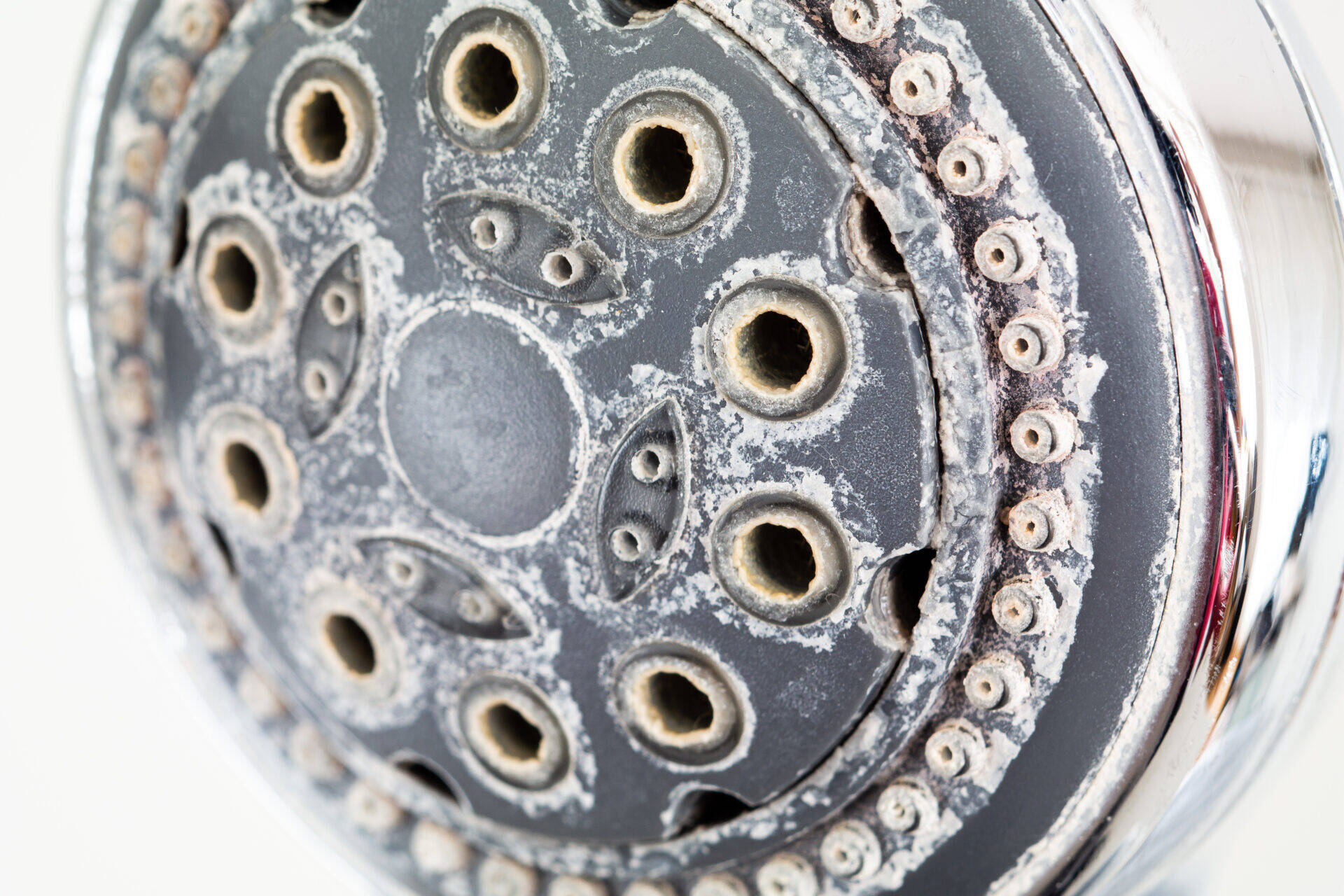
Limescale build-up in a toilet bowl develops slowly and soon becomes hard to miss.

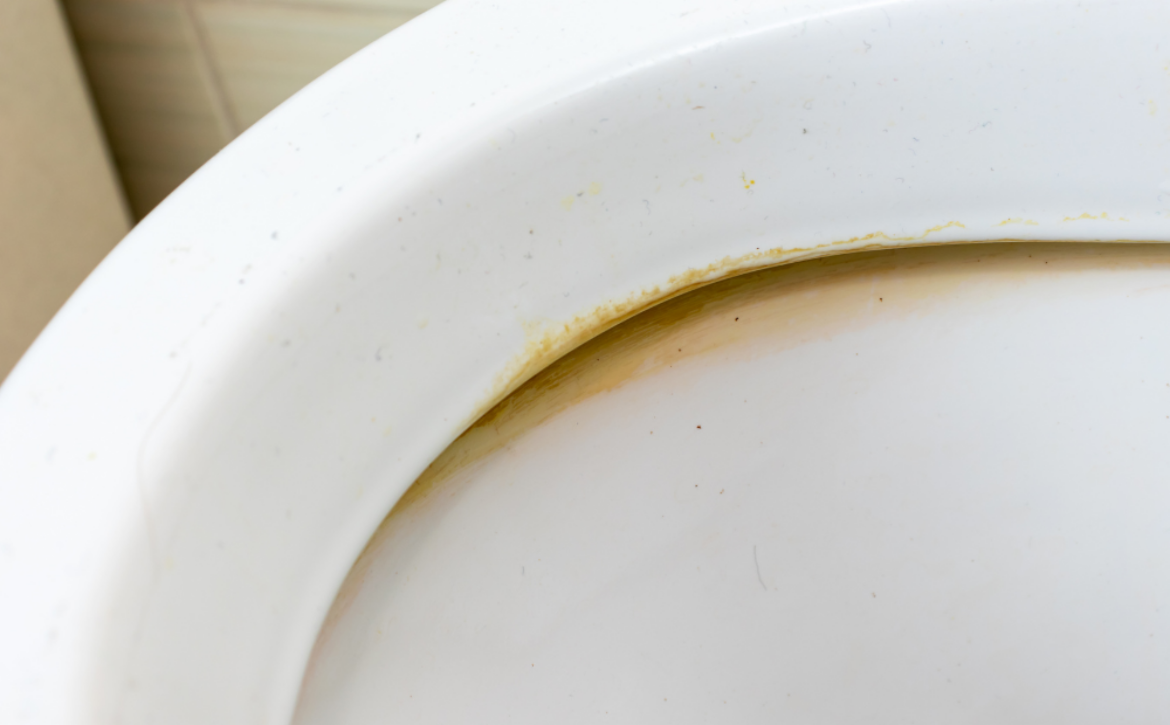
A brown ring around the waterline, chalky white deposits that don’t seem to shift and no matter how often you clean, they keep coming back.

Limescale is one of the most common signs of hard water in UK homes. It builds up gradually over time, often so slowly that you barely notice it happening. Then suddenly it becomes one of those household jobs that’s impossible to ignore.


Why Does Limescale Build Up in Toilets?

Hard water contains naturally occurring minerals, mainly calcium and magnesium.

Every time water passes through your home, tiny amounts of these minerals are left behind on surfaces. In places where water sits for long periods, such as toilet bowls, those deposits gradually harden into limescale.

Limescale builds up slowly enough that most people simply get used to it. A faint mark becomes a visible ring. The ring becomes staining. Before long, ordinary cleaning products don’t seem to make much of a difference.


How to Remove Limescale From a Toilet Bowl

If you’re trying to remove limescale from a toilet bowl, the aim isn’t to scrub as hard as possible. It’s to break down the mineral deposits so they’re easier to remove.

Many homeowners have success using simple household ingredients such as white vinegar or citric acid.

The usual approach is to lower the water level in the bowl, apply the solution directly to the affected area and leave it to work for several hours, or ideally overnight.

Once the limescale has softened, a toilet brush is often enough to remove much of the remaining build-up.

For older deposits, you may need to repeat the process more than once. After all, if the scale has taken years to accumulate, it’s unlikely to disappear instantly.


How to Dissolve Limescale

One of the most common questions homeowners ask is how to dissolve limescale effectively.

The answer is something acidic.

Limescale is alkaline by nature, which means acidic solutions help break it down over time. That’s why products such as vinegar, citric acid and specialist descalers are often recommended.

The key is allowing enough contact time. Most people apply a product and start scrubbing immediately, when often the solution simply needs longer to do the hard work for you.


What Is the Best Limescale Remover?

There’s no single answer because it depends on how severe the build-up is. For lighter deposits, many people find that vinegar or citric acid works perfectly well.

However for heavier scaling, a dedicated descaling product may be more effective.

In reality, the best limescale remover is the one that removes the deposits without damaging the surface you’re cleaning. But whichever product you choose, you’ll probably notice the same thing eventually.

The limescale comes back.


Beyond Cleaning Products

As long as hard water continues flowing through your property, minerals will continue settling on surfaces throughout your home.

The same process is happening on taps, shower screens, heating elements, boilers and household appliances.

Which is why many homeowners eventually start looking beyond cleaning products. Rather than repeatedly removing limescale after it appears, it often makes sense to address the cause.

Our water conditioning system is designed to help reduce the effects of hard water throughout the home.

There’s no salt or chemicals. Nor the need for ongoing maintenance.

Just a simple noninvasive system working quietly in the background to help minimise limescale build-up and protect the things that use water every day.

The result can be:

  • Less visible scale build-up
  • Easier cleaning
  • Improved efficiency for water-using appliances
  • Reduced maintenance over time

From your boiler and heating system to your taps, showers and appliances, the benefits extend far beyond a cleaner toilet bowl.


Final Thoughts

If you’re dealing with limescale in your toilet, you’re certainly not alone. Most homes in hard water areas experience the same problem at some point.

Removing the deposits is often straightforward. Preventing them from returning is where the real challenge lies.

That’s why we came up with a water conditioner to removes old and prevents new limescale from forming.

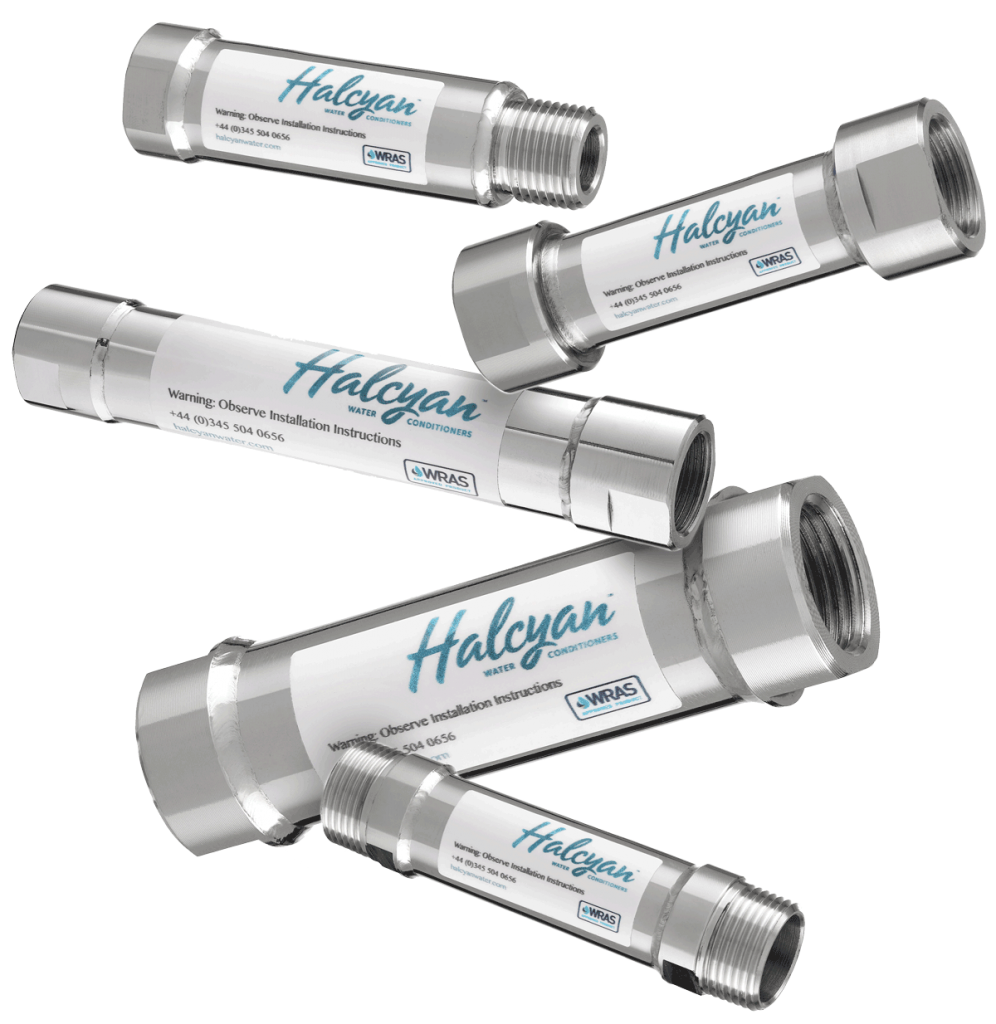
At Halcyan, we have 4 types of water conditioners: Favourite, Personal, Castle and Leisure. These are all designed so you can reduce hard water in all properties.

If you’d like to find out more about our water conditioners, we’re happy to help.

Learn More

How to Clean Limescale Off Your Taps

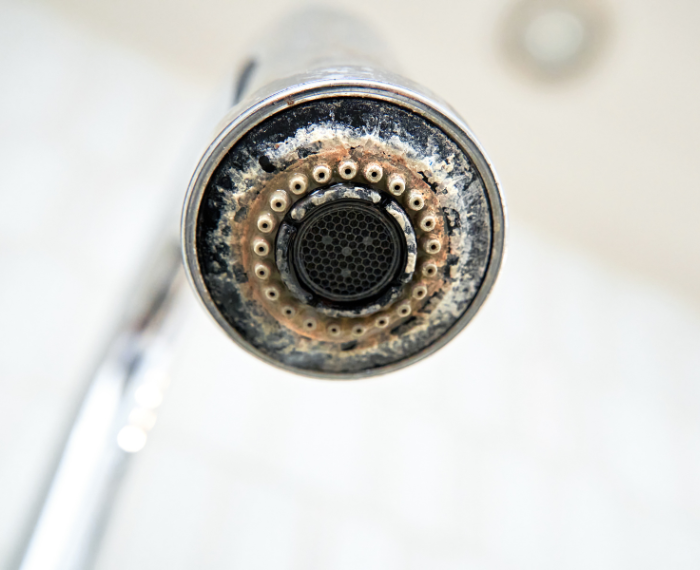
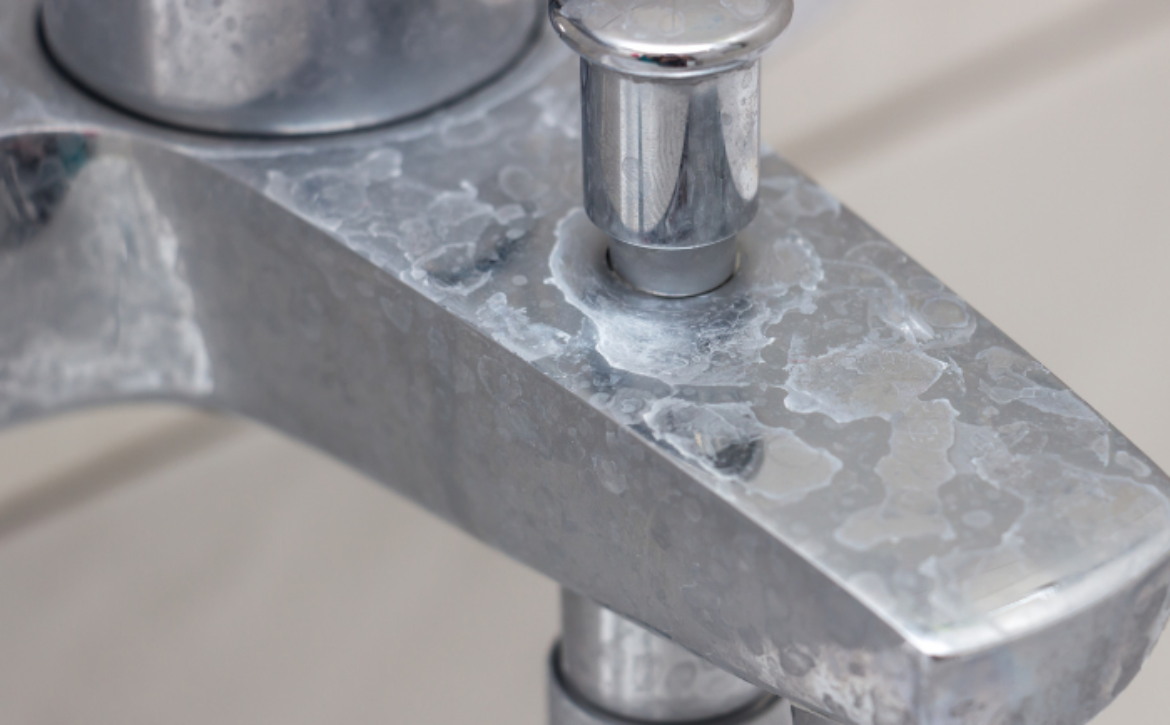
Limescale is a chalky white deposit caused by hard water that often builds up around kitchen and bathroom taps, causing them to look grimy and dull. If left untreated, limescale can damage your taps over time and even impact the flow of water.

It’s a common problem for many homeowners throughout the UK who live in hard water areas.


What is Hard Water?

Hard water refers to any water that contains high amounts of naturally occurring minerals. Water becomes hard when it passes through limestone, chalk and other mineral deposits into our homes’ plumbing systems.

Hard water isn’t harmful to drink, but it can cause problems around your home. When hard water evaporates it leaves behind small amounts of these minerals, creating limescale deposits. Areas that regularly come into contact with water are most susceptible to limescale.

This includes things like:

  • Taps
  • Kettles
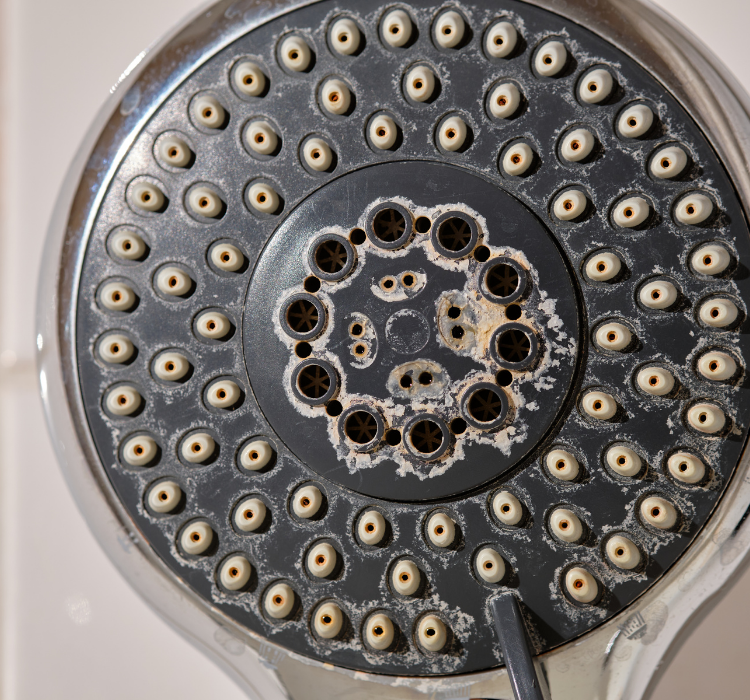
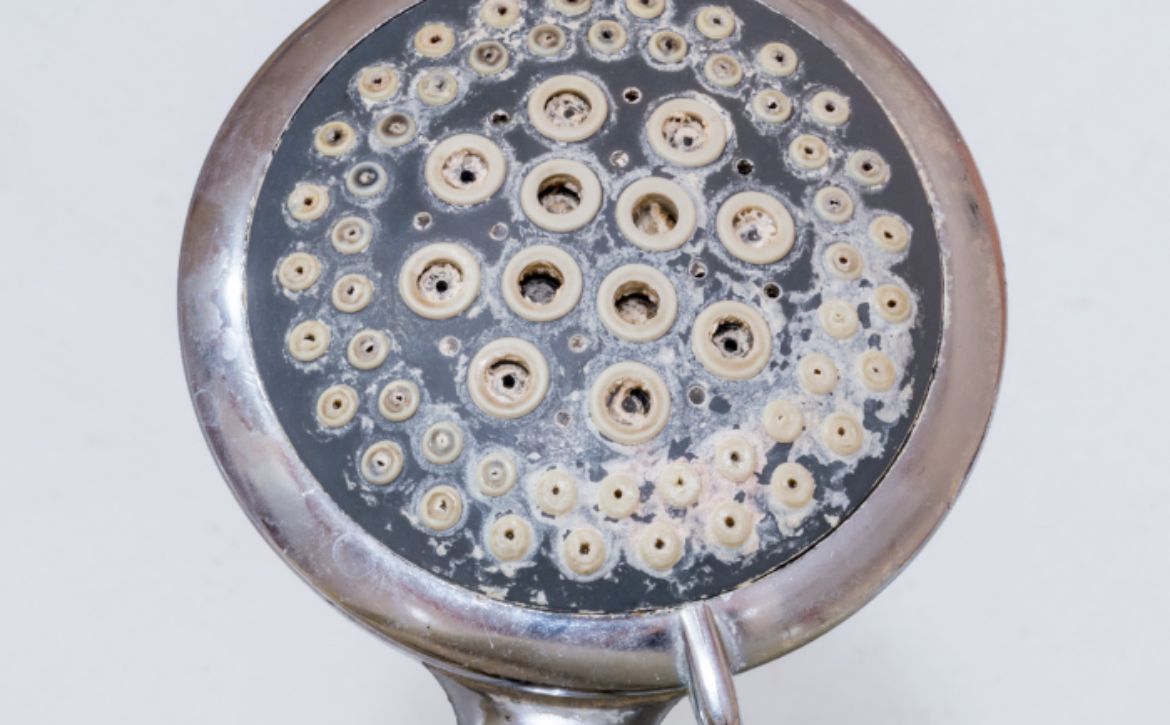
  • Shower heads
  • Washing machines
  • Water heaters and appliances


Why Does My Tap Have Limescale?

Limescale occurs when droplets of water hit your taps and dry. A small amount of calcium and magnesium will always be left behind on the surface, gradually building up and becoming hard and visible.

Limescale most commonly builds up on:

  • The base of taps
  • Tap spouts and aerators
  • Tap handles and joints
  • Edges of sinks and worktops

Heavy build-up can cause problems beyond appearance. It can affect the flow of water through your taps, making them harder to use and clean.

Luckily, you can easily clean limescale off your taps at home using common household ingredients.


How to Remove Limescale Off Taps

Method 1: White Vinegar

White vinegar is probably the most well known natural descaling agent. This is because vinegar is acidic enough to help loosen limescale, but not so harsh that it’ll damage your taps.

What You Need:

  • White vinegar
  • Soft cloth or kitchen towel
  • Warm water
  • Microfibre cloth

Steps:

  1. Soak a cloth or kitchen towel in white vinegar.
  2. Wrap the vinegar soaked towel around the taps, ensuring affected areas are covered.
  3. Leave for half an hour to an hour.
  4. Take the cloth off and wipe away the excess limescale with it.
  5. Rinse the taps with warm water.
  6. Dry with a microfibre cloth for an extra shine.

Method 2: Citric Acid Solution

Citric acid works better than vinegar on stubborn limescale deposits. Plus it works faster and doesn’t have the strong smell that vinegar has.

What You Need:

  • Citric Acid Solution
  • Warm Water
  • Cloth

Steps:

  1. Mix together 1-2 tablespoons of citric acid powder with some warm water.
  2. Pour into a container and soak your cloth in it.
  3. Wrap the cloth around the affected areas of your tap.
  4. Leave to soak for between 20–60 minutes. Stubborn build-up will need longer to loosen.
  5. Remove the cloth and wipe the limescale away. Then rinse with clean water.

Don’t Forget About Your Taps Aerator

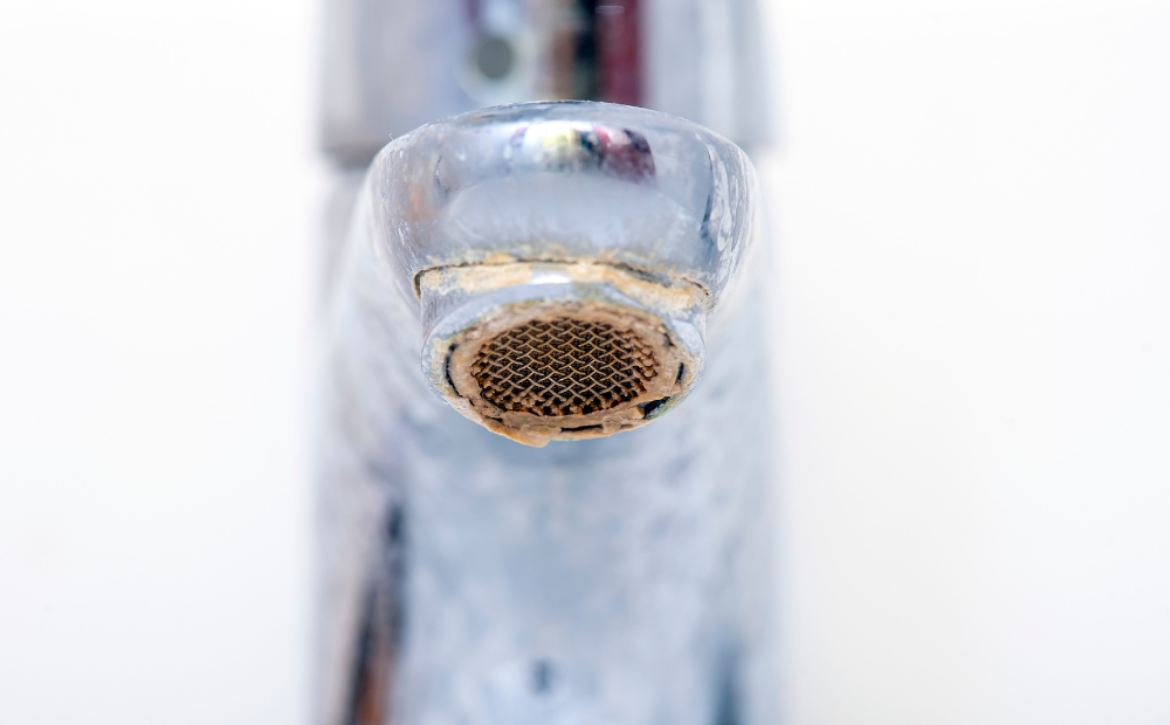
If you’ve found that water is coming out slower than normal from your tap, there’s a good chance you have a build-up of limescale inside the aerator.

The aerator is the small mesh screen found at the end of your tap. They’re easily overlooked during cleaning, but can become severely affected by limescale too.

Most tap aerators can be removed by hand. Once removed, follow these steps to remove the limescale:

  1. Soak in vinegar or your citric acid solution.
  2. Leave for 30 minutes.
  3. Use a small brush to scrub away any remaining limescale.
  4. Rinse and screw back onto tap.

What NOT to Use on Your Taps

It’s important to ensure you don’t damage your taps finish when trying to remove limescale. You should never use the following on your taps:

  • Wire wool or metal scourers
  • Scouring pads or abrasive sponges
  • Chemical cleaners
  • Sharp objects

All of the above can damage chrome, stainless steel, brass and coated taps. Once the finish has been damaged, water can seep inside making your taps far more likely to tarnish and damage.


Preventing Limescale Build-Up

So you’ve cleaned your taps and got rid of the limescale, but how do you stop it coming back?

If you live in a hard water area then you’re going to experience mineral build-ups whenever water evaporates. The best thing you can do to prevent limescale is to clean your taps regularly and always wipe them down after use.

You should also regularly descale your tap aerators to prevent build-up in these too.

What can you do about hard water though?


Get Rid of Hard Water with Halcyan

Halcyan Water Conditioners change the behaviour of hardness minerals found in your water, preventing hard water spots from forming. Our water conditioners are salt-free and don’t use chemicals to treat your water, making them safer for your whole family.

Our water conditioner can help protect taps from limescale damage and make them easier to clean.


Conclusion

Cleaning limescale off taps doesn’t have to be a hassle. Household cupboard staples like white vinegar and citric acid can help lift away stubborn water deposits without damaging your taps.

If you find that you’re always fighting limescale, think about treating your water instead. A water conditioner can help prevent limescale from appearing around your entire home.

Learn More

How Much Water Does a Household Use in the UK Per Month?

Most of us use water dozens of times per day without really even thinking about it. From showering to boiling a kettle, to watering the garden or flushing the toilet, water plays a major role in our everyday lives.

But how much water does your household actually use each month?

It’s more than you might think. Even single-person homes can easily use several thousand litres of water every month, with larger households using closer to 14,000 litres. Tracking your monthly water use helps you understand how to cut waste, reduce bills, and make informed decisions around your water usage.


How Much Water Does the Average Household Use?

Water stats from the Consumer Council for Water (CCW) show the average individual uses just over 139 litres of water per day. That includes showering, flushing toilets, doing dishes, laundry, cooking and cleaning.

Household consumption obviously increases when you have multiple occupants. Here’s the average monthly water usage by number of persons in the household:

  • 1 person: 4.6 m³ (4,600 litres) per month
  • 2 people: 8.5 m³ (8,500 litres) per month
  • 3 people: 11.1 m³ (11,100 litres) per month
  • 4 people: 13.7 m³ (13,700 litres) per month
  • 5 people: 15.9 m³ (15,900 litres) per month
  • 6 people: 18.0 m³ (18,000 litres) per month

Remember, 1 cubic metre (1m³) is equal to 1,000 litres of water.

Think about that for a second. A family of four uses almost 14,000 litres of water every month, which is equivalent to roughly 170 full baths.

And of course, your water usage does depend on many factors, from lifestyle and appliances to property size and water efficiency behaviours. So where does all that water go? And is it possible to use less?


Where Does All That Water Go?

The average homeowner will severely underestimate their monthly water use if they aren’t keeping track. Daily water usage is made up of a series of different activities, from cooking and cleaning, to running appliances and flushing toilets, with every aspect of our day effecting water usage.


Showers and Baths

Personal washing is by far the biggest use of water in the home. A full bath can use up to 80 litres of water, while an average shower can use between 13 and 15 litres per minute.


Toilets

Flushing the toilet is another big hit for water consumption. Older toilets can use up to 13 litres per flush, but most newer toilets these days are dual-flush.


Washing Machines and Dishwashers

Running the dishwasher or washing machine are usual suspect of water usage. Newer machines tend to be more water-efficient, but an average machine can still use between 50 and 80 litres per cycle.


Cooking, Cleaning and Day-to-Day Tasks

Leaving the tap running while brushing your teeth or washing dishes are often things people don’t take into consideration, along with filling a kettle full of water. And when combined, it can make up hundreds of litres of water per month.


Leaks

One of the biggest causes of unnecessary water usage is leakage.

A dripping tap might seem harmless, but over time it can waste thousands of litres of water every year. Even minor leaks around the home can significantly increase both water consumption and bills.


Why Does Water Usage Vary?

Every home is different, which means water usage varies from household to household. Here are some factors that might affect the amount of water you use each month:


Number of occupants

The more people living under one roof, the more water your household will likely consume. More occupants equal more showers, laundry loads, dishes and meals.


Lifestyle habits

Likewise, some homes naturally use more water than others. Long showers, baths, and multiple loads of laundry each week all use more water.


Home and garden size

Larger properties generally equate to more cleaning, cooking, laundry, watering etc. Gardens can also contribute massively to water usage.


Fixtures and appliances

Water-efficient appliances save water and money. Energy-efficient toilets, shower heads and taps are just some of the ways you can instantly reduce your water footprint.


Area of the UK

Finally, where you live can impact your water use. Across England and Wales, average daily usage per person varies depending on the region, with Northern Ireland and Scotland being similar.


How To Reduce Water Usage

Reducing water waste is simple, once you know where to start. Whether that’s installing water-efficient shower heads and taps, repairing leaky faucets or shortening your showers. Every dripping tap is a waste of water, and every litre saved helps.


Fix Leaky Taps

Even the slowest drip can waste hundreds of litres of water per year. If you’ve got leaky taps or suspect hidden leaks in your plumbing, now is the time to fix them.


Reduce Shower Times

Taking a 5-minute shower instead of a 10-minute shower could save you thousands of litres of water every year.


Only Run Full Loads

Run your washing machine and dishwasher only when full. Every load you skip helps.


Install Water-Efficient Fixtures

Invest in water-efficient appliances and fixtures where possible. Water-efficient toilets, shower heads and taps can drastically cut water usage.


Switch Off Taps

Remember to turn off that tap. Simple habits like brushing teeth with the tap turned off can save excess water wastage.


Make Every Drop Count

When it comes to water, we believe every little helps. But did you know the type of water in your home can make a difference too?

Hard water is common throughout the UK, impacting everything from hair and skin, to home appliances like kettles and boilers. While hard water isn’t harmful to drink, it does contribute to lime-scale build-up throughout your property.

Here are just a few of the benefits of installing a Halcyan Water Conditioner:


Help Reduce Scale Build-Up

Limescale can accumulate inside appliances such as kettles, boilers, washing machines, dishwashers and pipework. Build-up can cause a host of issues and impact efficiency.

A Halcyan conditioner helps reduce these problems by using advanced water conditioning technology. Working without chemicals or salts, homeowners can enjoy softer water without monthly maintenance bills.


Experience Softer Skin and Hair

It’s not uncommon for people in hard water areas to suffer from skin irritations or dry/flaky hair. Using conditioned water can help improve your shower experience and leave your skin and hair feeling much softer.


Clean Homes, Easier

Hard water can leave residue marks on your taps, shower screens, sinks and tiles. By helping prevent limescale build-up, water conditioners can help keep your home cleaner for longer.


Running efficiently

As scale builds up in your appliances and pipes it can cause decreased efficiency and potentially costly maintenance. By installing a water conditioner, you can help improve the efficiency of household appliances.

It’s water without the waste.


Final Word

The average household uses between 8.5 and 13.7 cubic metres of water per month. An average two-person household could easily pass 9 cubic metres of water (9m³) each calendar month, yet we rarely know where this water goes. Taking shorter showers and turning off the tap are simple solutions that could help.

But it’s not just about wasting less water, it’s about making sure you’re enjoying the best quality water too. Hard water affects homeowners throughout the UK and can cause build-up in pipes, leaving skins dry and hair lifeless.

Halcyan Water Conditioners can help reduce the effects of hard water using innovative technology. Easy to install, maintain and better for the environment too.

Learn More

How Much Money Is Limescale Costing You Each Year?

Hard water hasn’t crossed your mind very often if you live in a hard water area because you probably expect limescale – those white patches on your taps, crusty kettle and endless battle with descaling.

But here’s what most homeowners don’t realise:

While annoying, limescale is more than just a cosmetic problem. It’s silently costing you money every single day of your life. Allow us to explain.


What Exactly Does Hard Water Do?

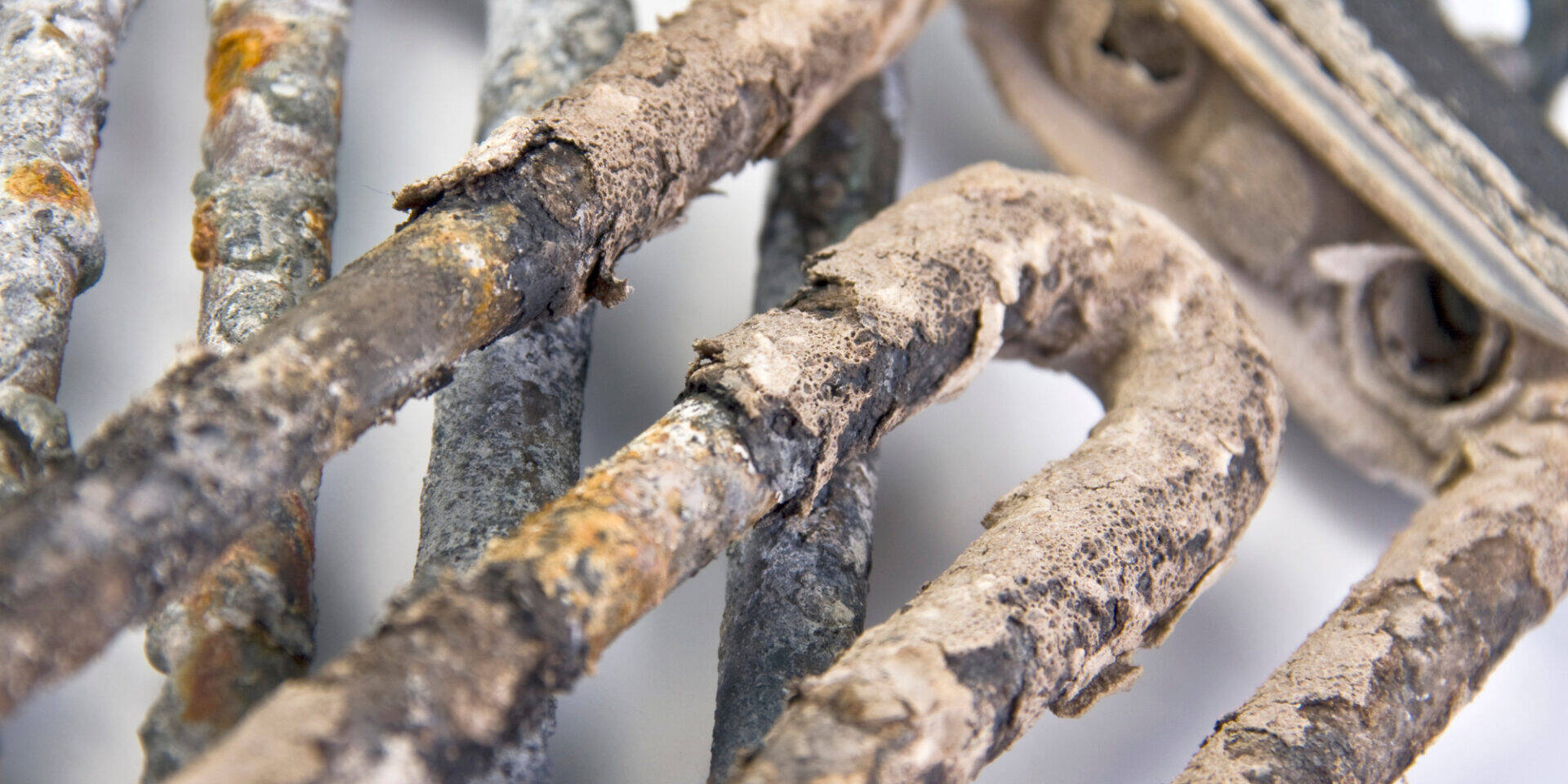
Inside your plumbing system and appliances, minerals found in hard water – calcium and magnesium – build up on heating elements and other surfaces. When the water heats up, those minerals harden.

Limescale build up creates:

  • Difficulties keeping things clean
  • Dried crusty marks on your baths, showers, sinks and taps
  • Expense after expense trying to get rid of it

When it builds up inside your pipes, boiler and appliances, that’s when the hard water really starts costing you money. Nationwide studies show limescale can cost homeowners upwards of £150–£300 per year in energy bills alone.


Hidden Energy Costs

You might not see it, but if you have limescale inside your boiler or heating system, it’s becoming less efficient. This is because the limescale is a great conductor of heat. When it forms a layer on your boiler’s inner components it literally prevents heat from passing through. As little as 1–2mm of scale is enough to stop your boiler working efficiently.

So what happens:

  • Your boiler has to work longer and harder to produce hot water
  • It costs more energy to heat your home
  • Your energy bills creep up higher and higher

As your boiler’s efficiency decreases year after year, so does your wallet.


Damaging Your Appliances

Limescale can cause serious damage to your appliances, causing them to wear out much quicker.

Appliances like your washing machine, dishwasher, kettle, boiler have parts and pans that water is constantly running through and heating up. Over time that scale builds up on those elements and causes them to work harder and much less effectively. This leads to frequent repairs and broken appliances prematurely. The average boiler replacement costs thousands of pounds. If your kettle or washing machine has to be replaced that much more often, then those are unnecessary expenses that really add up.


Using More Cleaning Products

Water performs differently when you live in a hard water area. Soap doesn’t foam up as much and it takes more detergents to get your appliances and dishes feeling clean.

As a result the average household uses more:

  • Washing powder or liquid.
  • Dishwasher tablets.
  • Surface cleaners, descalers etc.

Quickly your cupboard fills up with products that you don’t normally need – it all adds up over the year.


Messing With Your Pipes

Did you know limescale can find its way through your entire plumbing system? Over the years it can build up inside pipes, greatly reducing the surface area inside the pipes and limiting water flow. This causes:

  • Low water pressure.
  • Extra stress on your pipes.
  • Potential for serious plumbing issues in the future.


Getting into the Costs…

When you take a look at the above issues, it becomes clearer to see just how much limescale may be costing you.

  • Annual energy bills increase £150–£300+
  • Costs to repair or replace appliances run much quicker.
  • Massive spend on household cleaning products.
  • Future plumbing issues.

Every year.

It won’t take you long to realise that untreated limescale can easily cost you hundreds of pounds each year.


Why Nobody Seems To Notice

The problem with limescale is that, like many things, it creeps up on you. You don’t notice that your washing machine has gotten slightly less efficient. You don’t look twice at an energy bill that’s £10 more than usual. And buying a new kettle isn’t something you connect with hard water.

But when you take a step back you can start to see how unnecessary expenses start adding up. Limescale silently damages your home and costs you money year on year.

Limescale is a gradual problem. It takes years before you realise just how much it’s affected you and your wallet.


The Solution

Stop limescale in its tracks. The only way to reduce the cost of limescale is by preventing it from happening in the first place.

By installing a water softener, you could save:

  • Money on energy bills
  • Money on unnecessary spending on appliances that won’t last
  • Cleaning time
  • Hours of stress

This is where Halcyan comes in. Unlike traditional water softeners, the Halcyan system doesn’t remove minerals from your water and doesn’t use any salt. Our water conditioner transforms water using an advanced, environmentally friendly process to change the structure of limescale crystals which prevents them from sticking to surfaces and forming hard deposits.


Conclusion

Limescale may not seem like a big deal at first. It’s not harming your appliances right this very second. But as we’ve shown, year after year limescale can silently take hundreds of pounds from your bank account.

Thankfully, once you know about the damage limescale can cause. You can prevent it and start saving money again.

Because when it comes to hidden costs. Out of sight, isn’t always better for your wallet.

With the Halcyan water conditioner system, you can tackle prevention and removal of limescale as well as having softer water. If you want to find out more or see if Halcyan is right for you, feel free to contact us.

Learn More

How Hard Water Affects Your Day-to-Day Life

Hard water is something that affects UK households every day, and you may not even realise you have it. Although safe to drink, untreated hard water can cause problems for your home and day-to-day life that go far beyond just white marks on your cups.

In fact, everything from increasing energy bills to dry skin and limescale can be attributed to hard water. In this guide, we’ll explore how hard water affects your day-to-day life, and what you can do about it.


What is Hard Water And Why Does it Matter?

Hard water contains high levels of dissolved minerals, particularly calcium and magnesium. These aren’t harmful to your health but they can lead to chalky white stains that cling to just about any surface, better known as limescale. While you might already know some basic symptoms of hard water, here are a few more ways it can affect your day-to-day life. Read here to find out more about what limescale is.


Your Morning Routine Isn’t as Refreshing as it Should Be

Did you know that hard water can cause dry skin and hair. This is because it’s so difficult for moisture to penetrate through the residue that hard water leaves behind, possibly leaving you feeling worse than before your shower.

The same goes for washing your hair. Not only can it make your hair more difficult to manage day-to-day, but it can lead to dull hair over time.


Using More Soap (With The Same Results)

Think about how much soap you use each day. From your shampoo to your washing up liquid, if you have hard water you probably use more than you should have too. Instead of creating a bubbly lather, soap reacts with hard water and creates a film-like residue.

This means you need more soap to get the job done, while still seeing limescale stains and residue. It may not feel like a lot of extra effort when you wash your hair or empty the dishwasher, but think about how much more soap you may go through in a year. Not to mention that even with the extra washing you may still be left with stiff clothes or dirty-looking surfaces.


Quietly Damaging Your Appliances

If you have hard water, you’re probably used to seeing limescale build up around your sinks, baths, and coffee machines. But have you taken the time to check your appliances? When heated, hard water causes limescale deposits to be left behind on the inside of kettles, boilers, washing machines, and dishwashers.

At first, it won’t seem like much, but over time it can cause your appliances to work harder than they need to. Not only will it take longer to get your clothes clean or your kettle to boil, and it can considerably decrease the lifespan of your appliances.


Leading to Build-Up in Your Pipes

While limescale is easy to spot on taps and kettles, it’s also building up where you can’t see it, inside your pipes. As these mineral deposits accumulate, they can gradually restrict water flow and reduce water pressure.

Again, the effects of hard water take years to develop and you might not even realise your pipes are blocking until it’s too late.


Cleaning Feels Like a Never Ending Task

Do you wipe down your taps or shower screen only for white marks to appear again a few hours later? Hard water creates limescale deposits that can be seen clearly even with the naked eye. Not only do they make your surfaces look dirty, but they’re actually tough to get rid of.

You might find yourself going over the same surfaces again and again or having to use stronger commercial cleaning products to try and get your home sparkling again.


You Could Be Paying More for Energy Bills

Hard water can actually make your appliances less energy-efficient. When water is heated in your kettle or boiler, limescale build up acts as an insulator making it harder for heat to pass through.

That means more energy is required to heat your water to the same temperature, eventually raising your bills.


Say Goodbye to Hard Water

Traditional water softeners work by completely removing the minerals from your water, and while this does prevent scaling, it comes with maintenance issues of its own, requires salt, and needs regular servicing.

This is where a water conditioner is different. By using advanced polymer technology, our conditioner changes the behaviour of minerals in your water. It stops them from clumping together to form limescale, without removing the beneficial minerals contained in your water.

So, not only can you stop scale building up in your kettle and on your taps, but you can also prevent the hidden issues of hard water. From your appliances to your water flow and energy bills, a water conditioner can help you tackle hard water.

Learn More

How a Halcyan Water Conditioner Helps Your Skin

If you suffer from dry, itchy or irritated skin, your water could be to blame. Hard water affects most of the UK and while it won’t make you sick, it can certainly take its toll on your skin.

In this article we’re going to cover how hard water affects skin, how conditioned water can help and why investing in a Halcyan water conditioner is the best solution.


Effects of Hard Water on Skin

Hard water is caused by high levels of minerals such as calcium and magnesium. When hard water reacts with soap, shampoo and cleansers it can leave a residue build-up on your skin.

Hard water can cause your skin to:

  • Feel dry and tight
  • Get blocked pores and breakouts
  • Become irritated or sensitive
  • Skincare products become less effective

Put simply, it doesn’t matter how high-end your skincare routine is if you’re washing with hard water.


Benefits of Conditioned Water for Skin

Switching from untreated hard water can make a noticeable difference to your skin. When mineral build-up is reduced, your skin can function more naturally. The key benefits include:


Skin stays hydrated for longer

Without harsh minerals stripping away natural oils, your skin can retain moisture more effectively, leaving it feeling softer and smoother.


Better penetration of skincare products

With fewer deposits blocking the surface of your skin, products like moisturisers and serums can penetrate more effectively and deliver better results.


Less irritation

Installing a water conditioner can help to reduce irritation for many people with sensitive skin.


Feel cleaner after washing

Hard water can often leave skin feeling dusty or ‘not clean’. Conditioned water helps you feel fresher after every shower.


What’s a Water Conditioner?

Water conditioners are the alternative to old-school water softeners. Instead of removing hardness minerals like calcium and magnesium from your water, they alter the structure so that they don’t stick to surfaces.

Water conditioners:

  • Retain these minerals in the water but stop them sticking to surfaces
  • Less likely to form residue on your skin or in your home
  • Don’t require salt, chemicals or maintenance

Water conditioners like Halcyan work in a completely natural way meaning they are:

  • Chemical-free
  • Maintenance-free
  • Environmentally friendly

Water conditioners are becoming a popular choice for homeowners who don’t want to eliminate calcium and magnesium from their water.


How Does a Halcyan Water Conditioner Help Your Skin?

Unlike other products on the market, Halcyan works by altering the hardness minerals so they’re unable to attach to your skin.


Here are the benefits that brings:


1. Less residue on your skin

Installing a Halcyan means say goodbye to the film left behind by minerals that can clog pores and leave your skin feeling dry or irritated.


2. Better skin hydration

As Halcyan prevents the harsh minerals, your skin can retain its natural oils.


3. Better skincare results

Expect to see better results from your skincare routine as your cleansers, body washes and moisturisers can work how they’re meant to, rather than being blocked by mineral deposits.


4. Gentle daily washing

Say goodbye to dryness, tight skin and general skin irritation when you take the rough water out of your daily shower.


5. Completely Natural

Unlike traditional systems, Halcyan achieves these benefits without adding salt or chemicals to your water, making it ideal for households looking for a more natural approach.


Why Halcyan?

Hard water impacts millions of homes across the UK, and the effects it has are often overlooked. Many people take to buying expensive skincare products and cleansers in an attempt to reverse the damage done by hard water, but the root cause is often the water itself.

A Halcyan conditioner tackles that issue, helping to:

  • Improve your daily skincare routine
  • Improve comfort and confidence in your skin
  • Not have to rely on heavy moisturisers and treatments


Conclusion

Dry skin can be incredibly frustrating and no matter what creams or solutions you try, if you’ve got hard water running through your taps, you’re likely wasting your time.

By improving your water quality with a Halcyan system, you’re not just upgrading your home, you’re investing in healthier, happier skin every single day.

Learn More

Why Your Plants Need a Water Conditioner

If you’re investing time and effort into your plants, the quality of the water your using to water them matters more than you might think. While tap water is convenient, it will almost always contain chemicals that are harmful to your plants health. And that’s where Halcyan comes in.


What’s Really in Tap Water?

Tap water in the UK (and most other countries) is treated to make it safe for human consumption, meaning it contains disinfectants like chlorine or chloramine, along with trace minerals, vitamins and additives.

These chemicals are harmless to us, but our bodies react differently to plants. And while tap water may not impact them straight away, the effects will start to show over time.

Tap water may also contain:

  • Fluoride
  • Calcium and magnesium (hard water minerals)
  • Sodium if you have water softener

These elements can accumulate in the soil, altering its structure and affecting how plants absorb nutrients.


Problems with Using Tap Water on Plants

Tap water isn’t going to kill your plant, but “tolerating” isn’t the same as “thriving”. Using tap water long-term can cause a few problems:


1. Chemical build-up in soil

Over time the chlorine, fluoride and other additives will build up in the soil, disrupting soil composition and preventing microbes from helping your plant absorb nutrients effectively.


2. Plants struggle to absorb nutrients

Hard water is high in minerals which can cause higher pH levels that block nutrient uptake, potentially leaving your plant with yellow leaves or slow growth.


3. Salt Damage from softened water

If you have a water softener, your water may contain higher levels of sodium, which over time can damage roots and prevent water intake.


4. Damage to sensitive plants

Some house plants, such as ferns, calatheas and peace lilies are particularly sensitive to the chemicals in tap water and may show signs of stress, like browned leaf tips.


What does a Water Conditioner do?

A water conditioner works by improving the quality of tap water before it reaches your plants.

Conditioners work by:

  • Neutralising harmful chemicals like chlorine and chloramine
  • Reduces harmful mineral content
  • Balancing pH levels
  • Removing or binding heavy metals

By installing a water conditioner, you’ll create a more natural, plant friendly environment, similar to rainwater. Using a water conditioner is one of the quickest and most effective ways to make your tap water safer, without adding extra chemicals.


Benefits of Using a Water Conditioner for Plants

Switching to conditioned water might seem like a small change, but it can make a big difference to your plant care routine.


Healthy roots

When you give your plant cleaner water, their roots can absorb more nutrients from the soil, with no more nasty chemicals getting in the way.


Healthy soil

Conditioned water helps you avoid build-up of chemicals in the soil, letting your soil do its job without preventing beneficial microbes from breaking down organic matter.


Healthier plant

Watering with conditioned water can lead to:

  • Greener leaves
  • Lusher growth
  • Stronger stems

Less Damage

Conditioned water helps minimise issues like leaf burn, discolouration and stunted growth cause by poor water quality.


Why You Shouldn’t Use Softened Water On Plants

Water softeners are really common in homes because they prevent limescale, but softened water is actually worse for plants due to it’s added sodium content. Over time the sodium can build up in the soil, naturally restricting how much water your plant can absorb.

This can of course damage your plant’s roots over time. You want a solution that improves the quality of your water, not one that just adds new chemicals.


Is Leaving Water Out Overnight Enough?

You’ve probably heard that leaving your water out for 24 hours is enough to make it safer for plants. And while leaving water out does make water slightly safer for plants, there’s a few things it doesn’t account for:

  • It doesn’t remove chloramine, which is increasingly used in water treatment
  • It doesn’t address mineral content or pH levels
  • It can be inconvenient for regular plant care

A water conditioner offers a more reliable and consistent solution, treating the water instantly.


Caring for Plants the Smart Way

Healthy plants are grown from the ground up, starting with the water you use. And while tap water is fine for the most part, improving the water quality can take your plant care to the next level.

Conditioning your water can help you:

  • Prevent chemical build-up in soil
  • Protect your plants from harsh chemicals
  • Improve water flow to roots
  • Support stronger, more vibrant growth

For gardeners and plant lovers alike, it’s a small change that can make the biggest difference.


Conclusion

Plants depend on you to keep them alive, from sunlight, to nutrients and water. Water conditioners give you peace of mind that you’re giving your plant the best chance at a healthy life. Investing in good soil and fertiliser isn’t enough if your plants are living off tap water. Upgrade your watering routine by investing in a Halcyan water conditioner today.

Learn More

Use a water conditioner to help keep down rising oil heating costs, says Halcyan CEO

Using a water conditioner unit could help lower costs for the UK’s estimated 1.7 million households using heating oil, which have seen the price per litre of oil trebling since the start of the Iran war, according to Samantha Mant, CEO and founder of Halcyan Water Conditioners.


Carbon Trust figures show that every 1 mm of limescale on any heating element adds 7-10% to its energy consumption. However, Halcyan Water Conditioner units can clear heating elements of limescale and keep them clean, saving the household significant amounts of operational energy. In addition to removing and keeping limescale away from heating elements to ensure energy isn’t wasted when producing hot water, the Halcyan units can increase the reliability of household items such as washing machines and dish washers, while minimising maintenance and replacement costs.


Halcyan CEO and founder Samantha Mant, says: “As oil heating and cost of living prices continue to soar, households are running out of ways to save money on their bills. However, one way to achieve a more energy-efficient home is to install a sustainable water conditioner which can save households hundreds of pounds per year. This small device takes under an hour to install and requires no additional cupboard space. It not only prevents future limescale but also treats existing limescale in your system making cleaning your appliances easier. As well it provides softened water for healthier hair and skin.”


How does hard water affect my energy bills?

Hard water affects 60% of UK households, which is around 17 million homes. Households supplied with hard water suffer from limescale build-up on appliances, fixtures and fittings. While those living in a hard water area are likely to notice limescale build-up in the kettle and on taps, it’s harder to detect harmful limescale deposits in the washing machine, dishwasher and boiler. It’s the limescale in these appliances, especially the boiler, that can impact on energy bills.

Limescale build-up reduces the efficiency of heating elements meaning they have to work harder and use more energy to be effective. This not only increases energy bills but damages appliances, leading them to break down more frequently. If you live in a hard water area you can expect to replace your boiler, dishwasher and washing machine up to twice as often as a result of limescale damage.

Hard water can also make detergents and cleaning products less effective, so you have to use more to achieve the same result, adding up to £500 more to your annual shopping bills.


How do I treat hard water in my home?

While there are many limescale treatments available, they typically use harsh chemicals which are then washed down the drain and into the watercourse, and that’s bad news for the environment. However, water conditioners treat hard water as it enters the home by using a solid alloy core to create a powerful change to the structure of the minerals, ensuring they can’t bond to surfaces as they travel through the house. This method doesn’t use salts, chemicals or energy, so there are no on-going costs or maintenance.

Research suggests that households can expect to see a significant reduction in their energy bills and their detergent usage. On average, households can save £4-500 a year for the 30 years that their unit is under warranty. Halcyan conditioners are certified by the Water Regulations Approval Scheme, which means that you can be certain that they deliver 100% safe, healthy drinking water.

Halcyan is exhibiting at stand F128 at this weekend’s Homebuilding & Renovating Show, (19-22 March, NEC, Birmingham) a Free reader tickets to the show can be found here: https://www.homebuildingshow.co.uk/pr-general-outlets

Learn More

The Hair Benefits of Water Conditioners

If you’re struggling to achieve healthy hair, chances are you’ve spent a fair bit of money on shampoos, conditioners and treatments. But people often overlook the quality of the water they wash your hair with.

Hard water is common throughout the UK, and it can have a serious impact on your hair. Minerals found in hard water gradually build up on hair strands over time, leading to dryness, dulness and increase breakage. A water conditioner works by countering the effects of hard water. Meaning it is more gentle on the hair and scalp, helping your hair stay cleaner, smoother and easier to look after.

Read on to find out how hard water affects the health of your hair, and how improving water quality can help you achieve healthier-looking hair.


How Does Hard Water Damage Hair?

Hard water refers to any water source that contains high levels of dissolved minerals, most commonly calcium and magnesium. While these minerals pose no threat to your health when consumed, they can cause unwanted effects when they come into contact with hair and scalp.

When showering with hard water, calcium and magnesium cling onto individual strands of hair creating a thin layer of residue, which over time can throw off the natural balance of your hair and cause several common issues.

These effects can include:

  • Dry and brittle hair
  • Dull or lifeless hair
  • Frizziness and tangles
  • Hair that is difficult to style
  • Scalp irritation/dandruff

Mineral build-up on hair strands makes it difficult for moisture to penetrate the hair. This causes hair to feel rough and lack hydration. As the cuticle layer becomes coated in minerals, hair can also lose its natural shine and appear heavier.

Another common issue with hard water is that haircare products are unable to perform as well as they should. Shampoos may struggle to produce a rich lather and conditioners may take longer to rinse out, or leave behind their own residue. Over time, a combination of hard water buildup and leftover product residue can cause an increase in hair breakage.


Benefits of Washing Your Hair With Soft Water

Water containing fewer hardness minerals tends to be much more gentle on your hair and scalp. As you wash your hair with softer water, hair strands remain smoother and clean allowing it to retain moisture more effectively.

Some of the many benefits of washing your hair with softer water include:


Hair stays cleaner for longer

As soft water allows shampoo to lather more, less product is required for the same level of clean. Additionally, fewer minerals means your shampoo will rinse out smoother and leave behind less residue.


Improved moisture retention

Your hair is able to retain its natural moisture levels better when there are no minerals blocking the hair strand. This helps prevent dryness, leading to better overall flexibility of your hair.


Shiny hair

Smooth cuticles that are free of mineral buildup allows the hair to reflect light more effectively. This can give hair an increase in shine, which is something many people notice when they first install a water conditioner.


Hair that is easier to style

Soft water helps hair feel smoother, reducing tangling and frizz. Smoother hair is also easier to style.


Reduced hair breakage

Well-hydrated hair that is free of mineral build-up is also stronger and less prone to breakage and healthier-looking hair may even begin to appear thicker over time.


The Role of Water Conditioners

  • Water softeners work by removing minerals from your water supply. Most water softeners use salt as a means to regenerate the system and trap minerals.
  • Water conditioners do not remove minerals from your water. Instead, they alter the behaviour of minerals within the water preventing minerals from adhering to surfaces like hair, shower heads, taps and appliances.


Making the Switch to Soft Water

After switching to a Halcyan water conditioner you may notice your hair feels different when you wash it. Because shampoo lathers more freely in softer water, you may experience:

  • Smoother hair during rinsing
  • Soft hair
  • Hair may feel slippery when shampooing

In some cases hair may feel too soft or may appear greasy if you use too much shampoo or don’t rinse thoroughly. This is typically not an issue and can be fixed by using less shampoo or altering your rinsing process. When you compare the effects of soft water to hard water (dryness, irritation and breakage), most people notice a difference within just a couple of weeks.


UK Homes Often Have Hard Water

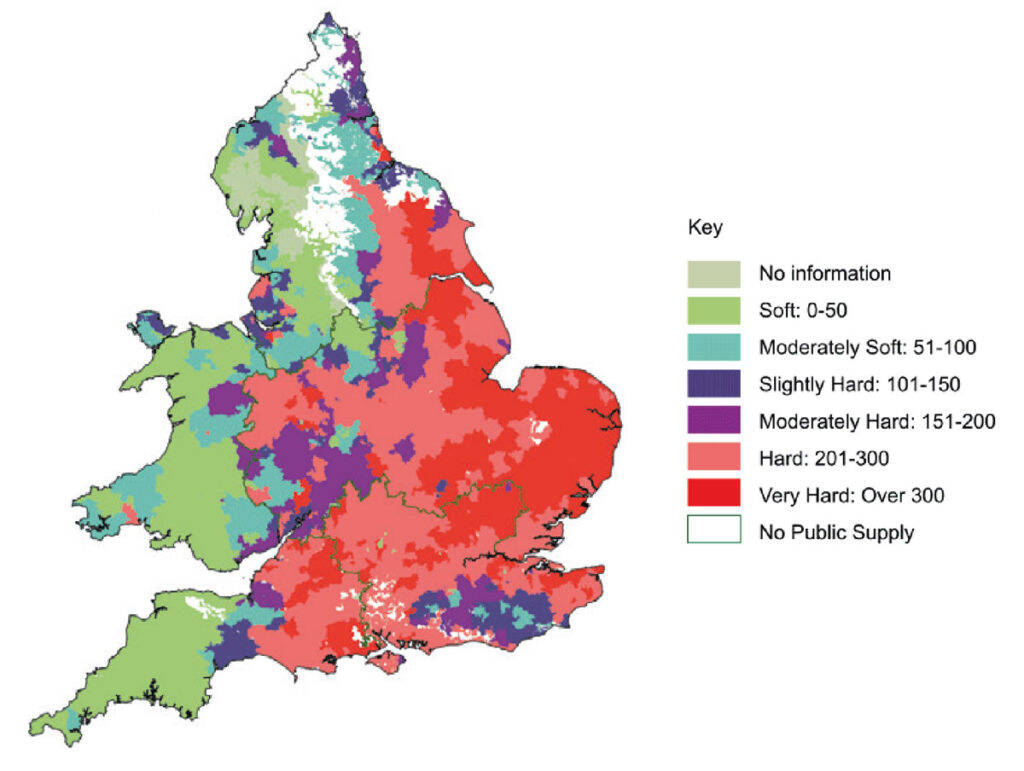
With many areas of the UK suffering from hard water (especially in southern and eastern England), millions of homeowners struggle with keeping their hair healthy. If you find your hair is constantly dry, lacking shine or is easily tangled despite using high-quality hair care products, your water could be the culprit.

Help your hair thrive by installing a water conditioner. Halcyan water conditioners help improve water quality by minimising the harmful effects of hard water, and healthier hair isn’t the only benefit you’ll begin to notice throughout your home.

Get in touch today to discuss the best conditioner for your home.

Learn More

What is a Water Conditioner, And What Are The Benefits?

If you live in a hard water area, chances are you’ve noticed limescale build up on taps, kettles and shower screens. Scale buildup can damage appliances over time, reduce efficiency and increase running costs. Installing a water conditioner is the best solution.

But what exactly is a water conditioner and how does it work? Let’s take a look.


What Is a Water Conditioner?

A water conditioner is a system designed to treat hard water by changing the behaviour of the minerals that cause scale, primarily calcium and magnesium.

Traditional water softeners use an ion exchange process to remove these minerals from your water. Conditioners don’t. Instead, they alter the structure so they cannot stick to pipes, heating elements and household surfaces. In essence, they prevent limescale buildup without removing healthy minerals from your water.


How Does a Water Conditioner Work?

Water conditioners use technology to change the chemical properties of hard minerals in your tap water. They change the form of calcium, magnesium, and calcium carbonate (limescale) to stop it sticking to your pipes.

Water runs through the conditioner and the tech inside alters the structure of mineral crystals. The minerals are still present but no longer bind with other materials.

Here’s what happens:

  • The minerals aren’t removed from your water
  • Conditioning changes them into non-scaling minerals
  • They flow through your pipes without causing harm

Our water conditioners also don’t need salt, chemicals or electricity to work.


Water Conditioner vs Water Softener

Water conditioner or water softener, what’s the difference? Water softeners work by removing hardness from water through an ion exchange process. They filter out calcium and magnesium minerals and replace them with sodium ions.

Water conditioners don’t remove minerals from water. The main differences are:

Water Conditioner

  • Softens water by changing the structure of minerals
  • Protects against scaling
  • Water stays free of sodium chloride (salt)
  • No salt or chemical top-ups required
  • Zero wastewater produced
  • Conditioners require little maintenance

Water Softener

  • Ion exchange process which replaces hardness minerals with sodium
  • Requires frequent salt additions
  • Produces wastewater during regeneration
  • Works continually to remove minerals from water
  • Constant maintenance and running costs

Water conditioners are often preferred if you want to stop scale from forming and protect your appliances without the need for salt or electricity.


Benefits of a Water Conditioner

Here are just some of the many benefits of installing a water conditioner in your home:

1. Stops Limescale Buildup

Preventing scale is perhaps the biggest benefit of using a water conditioner. Building up inside boilers, pipework, dishwashers and washing machines reduces efficiency and causes wear over time.

By stopping scale forming, you’ll keep appliances running smoothly and help extend their lifespan.


2. Enhances Energy Efficiency

Scale is an excellent insulator and as little as 0.05mm of limescale on your heating elements can impact efficiency.

Conditioned water allows your appliances to run how they were intended to, helping you cut down on energy bills.


3. Spend Less Time Cleaning

Hard water stains and white residue on taps, tiles and shower screens are a common frustration. Conditioned water leaves far fewer stubborn marks, meaning less scrubbing and fewer harsh cleaning products.


4. No Salt and Little Maintenance

Water conditioners don’t require salt or chemical top-ups and don’t undergo regeneration cycles like softeners. They use no chemicals and many models don’t even need electricity to work.


5. Keeps Naturally Occurring Minerals

A great advantage of water conditioners is they don’t filter out calcium and magnesium from your water.

These naturally occurring minerals are good for you, so keeping them in your water is important.


Why Should You Choose a Halcyan Water Conditioner?

Halcyan water conditioners are designed to provide whole-house limescale protection without salt, chemicals or ongoing maintenance.

Halcyan conditioners transform hard minerals into non scaling form so that they cannot stick to surfaces or form limescale.

Compact design, long lifespan and easy installation mean they’re ideal for tackling hard water problems.


Conclusion

A water conditioner changes the structure of calcium and magnesium minerals so they cannot form limescale. It protects your appliances and plumbing, reduces energy usage and saves you time on cleaning.

No salt is required and there’s zero maintenance involved, making them an ideal long-term solution for homeowners.

Still wondering what a water conditioner is? Get in touch with us today and we’ll be happy to explain it to you further.

Learn More

Select your currency
EUR Euro