



















Hard Water

Do I Have Hard Water?

Protect your home from hard water with Halcyan’s eco-friendly, salt-free water conditioners. Designed to reduce limescale, support healthier skin and hair, and help appliances last longer, Halcyan offers a simple solution for homes in hard water areas.
Halcyan Postcode Hardness Checker

Is your home in a hard water area?

Enter your postcode for an instant hardness check and a whole-house H209 Halcyan recommendation.

sphere
Do I have Hard Water
How would I know if I have hard water in my home?

Hard water is a common issue in homes across the UK caused by naturally occurring minerals like calcium and magnesium in the water supply. Although these minerals are healthy to drink, they do cause a range of other problems around the home, from limescale, dry skin and dull hair to reduced appliance lifespan.

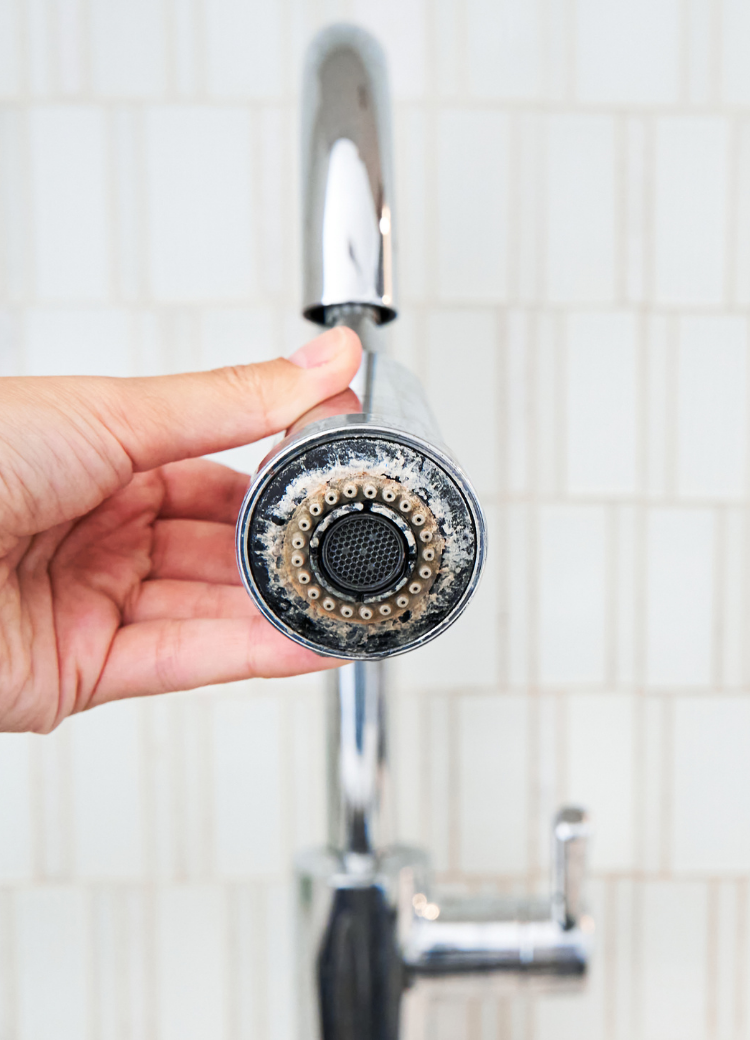
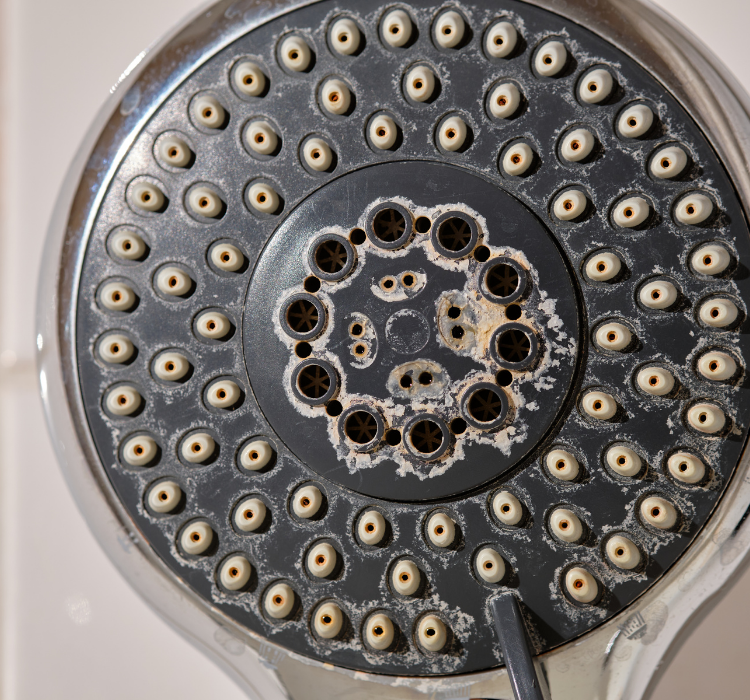
if you’re experiencing dirty build up around your taps, inside your kettle or on your shower head is a regular occurrence, there’s a good chance your home is in a hard water area. This is where Halcyan water conditioners provide an eco-friendly, salt-free solution to combat hard water and protect your home from limescale.
Halcyan Removes Limescale

Over a few weeks and months, Halcyan will remove existing limescale in your system.

Halcyan Prevents Limescale

Keep limescale firmly at bay, protect your home and make cleaning so much easier.

Halcyan Softens Water

Healthy hard water that behaves like gentler, softer water
close up of a tap covered in limescale
What is Hard Water?

As rainwater moves through underground rocks such as chalk and limestone, it primarily absorbs calcium and magnesium before entering the mains water supply. As a general rule, the higher the mineral content, the harder the water.

When hard water is heated, the dissolved calcium bicarbonate in the water begins to break down. This chemical reaction creates calcium carbonate, which is the hard, chalky substance you find on your taps and appliances, commonly known as limescale.

As a result, when hot water passes through your appliances and plumbing system, tiny calcium carbonate deposits are left behind on the surfaces. These deposits typically accumulate inside:

  • Kettles
  • Boilers
  • Hot water pipes
  • Washing machines
  • Dishwashers
  • Showerheads
  • Taps

The dirty build up you see around the house are caused when hard water evaporates, leaving mineral deposits on surfaces.

Where is Hard Water Most Common in the UK?

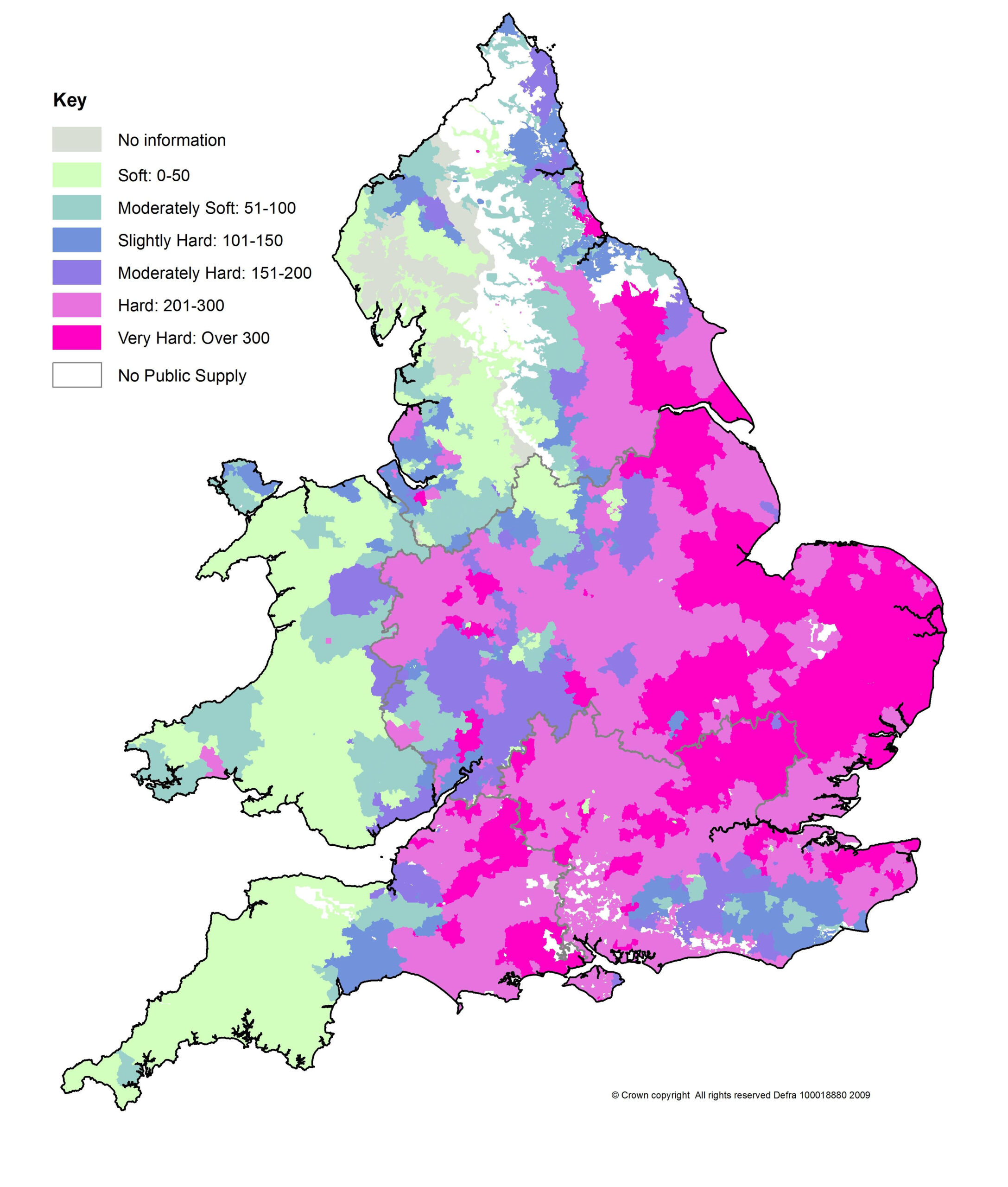
Hard water is most commonly found in areas where the water supply travels through chalk and limestone rich ground. In the UK, this means many homes in the South and East of the country will experience moderate to very hard water. Areas most commonly affected include:

  • London
  • The South East
  • East Anglia
  • East Midlands
  • Parts of Yorkshire
  • South West

The nation’s hardest water can be found in counties such as Essex, Kent, Hertfordshire and Norfolk. On the other hand, areas such as Scotland, Wales and parts of the North West usually have softer water due to different geology.

If you live in a hard water area, installing a water conditioner help to reduce the impact of limescale, and protects your home’s appliances and plumbing system.

close up of a tap covered in limescale
close up of shower head covered in lime scale
Why is Hard Water a Problem?

As mentioned before, hard water is the cause of limescale, and limescale is the cause of many issues around the home. As it builds up around the home, limescale acts as an insulating barrier inside your heating system and appliances, where even the smallest layer of scale can reduce heat transfer efficiency. This means boilers, kettles and any hot water system needs to work harder and use more energy to get the same result. This overtime means:

  • Higher energy bills
  • Reduced appliance performance
  • Blocked pipework
  • Lower water pressure
  • Increased maintenance costs
  • Shorter appliance lifespan.

In some cases, excessive limescale can cause heating elements and internal components to fail all together.

How Does Hard Water Affect Hair and Skin?

Hard water can have a direct impact on soap, shampoo and detergents, and how they interact with the body. The calcium and magnesium ions react with cleaning products, making them less effective and more difficult to fully rinse. This will leave behind residue on the skin and hair, which many people associate with:

  • Dry skin
  • Irritation
  • Dull looking hair
  • Brittle hair texture
  • Reduced shampoo lather

If you live in a hard water area, you’ll often need to use more soap, shampoo and cleaning products to get the same result compared to homes with softer water.

Protect Shower

"Having had this product installed for nearly two years, I can say it has made a big difference with my cleaning and appliances. I had to use chemicals every other month on the bath and shower, now I only have to use a diluted version every nine months. The taps are also far easier to clean and any scale that builds up is easily removed with a cleaning cloth (no longer a hammer)."

Colin Salmon, Kent

Does London Have Hard Water?

Yes, London is known for having very hard water. The capital’s water supply passes through chalk and limestone aquifers, resulting in high mineral content and increased limescale build-up in homes and appliances.

Does Manchester Have Hard Water?

Manchester typically has soft to moderately soft water due to the region’s upland reservoir sources. Homes in Manchester usually experience less limescale than southern areas of the UK.

Does Bristol Have Hard Water?

Yes, Bristol is considered a hard water area. The city’s water contains naturally occurring calcium and magnesium minerals that can contribute to limescale build-up.

Does Leicester Have Hard Water?

Yes, Leicester is known for having hard to very hard water. Residents commonly experience limescale build-up in kettles, boilers, and bathrooms.

Does Oxford Have Hard Water?

Yes, Oxford has hard water because the local supply passes through limestone and chalk deposits. Many households use water conditioners to help reduce limescale.

Does Reading Have Hard Water?

Reading is located in one of the UK’s hardest water regions. Homes commonly experience limescale in boilers, kettles, and shower systems.

Does Brighton Have Hard Water?

Brighton has very hard water due to the chalk geology across the South East. Limescale is a widespread issue in homes across Sussex.

Does Essex Have Hard Water?

Yes, Essex is one of the hardest water areas in the UK. Homes throughout the county often experience significant limescale build-up and hard water symptoms.

Does Hertfordshire Have Hard Water?

Yes, Hertfordshire experiences very hard water in most areas. Many homeowners notice limescale affecting taps, pipes, and appliances.

Does Newcastle Have Hard Water?

Newcastle generally has soft to moderately soft water compared to southern England. Limescale tends to be less of a problem in the North East.

Does Cardiff Have Hard Water?

Cardiff has soft to moderately soft water in most areas. Compared to the South East, limescale issues are generally much less severe.

Does Glasgow Have Hard Water?

No, Glasgow is known for having soft water. The city’s water comes from upland sources with low mineral content.

Does Birmingham Have Hard Water?

Birmingham generally has moderately hard water. Many households experience some limescale build-up, particularly in kettles, boilers, and showerheads.

Does Leeds Have Hard Water?

Leeds has moderately hard water in many areas, although hardness levels can vary across West Yorkshire. Some homes may notice limescale forming around taps and appliances.

Does Nottingham Have Hard Water?

Nottingham has hard water due to the local geology and groundwater sources. Many homes in the area experience visible limescale and appliance scaling.

Does Cambridge Have Hard Water?

Cambridge has very hard water, largely due to the chalk-rich ground beneath the region. Limescale is a common issue in homes throughout Cambridgeshire.

Does Norwich Have Hard Water?

Norwich and much of Norfolk experience hard water. The area’s groundwater sources contain high levels of dissolved minerals that contribute to scale build-up.

Does Southampton Have Hard Water?

Yes, Southampton has hard water, with many homes experiencing mineral deposits and reduced appliance efficiency caused by limescale.

Does Suffolk Have Hard Water?

Yes, Suffolk experiences hard to very hard water in many areas. Limescale build-up is a common issue throughout the county.

Does Kent Have Hard Water?

Kent is widely known for having very hard water. The county’s chalk-based geology leads to high calcium levels in the mains supply.

Does Yorkshire Have Hard Water?

Water hardness varies across Yorkshire. Some areas have moderately hard water, while others experience softer supplies depending on the local source water.

Does Liverpool Have Hard Water?

Liverpool usually has soft water thanks to reservoir-fed supplies from Wales. Homes in the area experience relatively low levels of limescale.

Does Edinburgh Have Hard Water?

Edinburgh typically has soft water due to Scotland’s geology and water sources. Homes generally experience very little limescale build-up.

Does Belfast Have Hard Water?

Belfast generally has moderately soft water, although hardness can vary slightly across Northern Ireland depending on the local supply.

sphere
sphere
Need some help? Got a question?
Get in touch

Solve your hard water limescale problem the easy, eco-friendly way with
Halcyan Water Conditioners.

sphere
sphere

Money Back Guarantee

We Provide A 12 Month Money Back Performance Guarantee

Whole House From Only £897

A Whole House System Starts From Only £897 Including VAT

Offering 30 Years Warranty

We Offer A 30 Year Manufacturer’s Warranty For All Halcyan Products

We Deliver Next Day

We Offer Next Day Delivery To Most UK Areas

WRAS Approved Product

We Demonstrate Compliance By Ensuring All Products Are WRAS Approved
Select your currency
EUR Euro